Approved Canning Methods
Inside: Learn which canning methods are approved for safely preserving food at home, including water bath, pressure canning, and important safety guidelines.
There are various methods and recipes for canning foods. Which method works best with which food, though, is an extremely significant issue to consider, as incorrect methods can lead to spoilage, unsafe foods, or wasted time and money. Make sure you use approved canning methods to keep everyone safe.
This post may contain affiliate links, see my disclosure policy for more information.
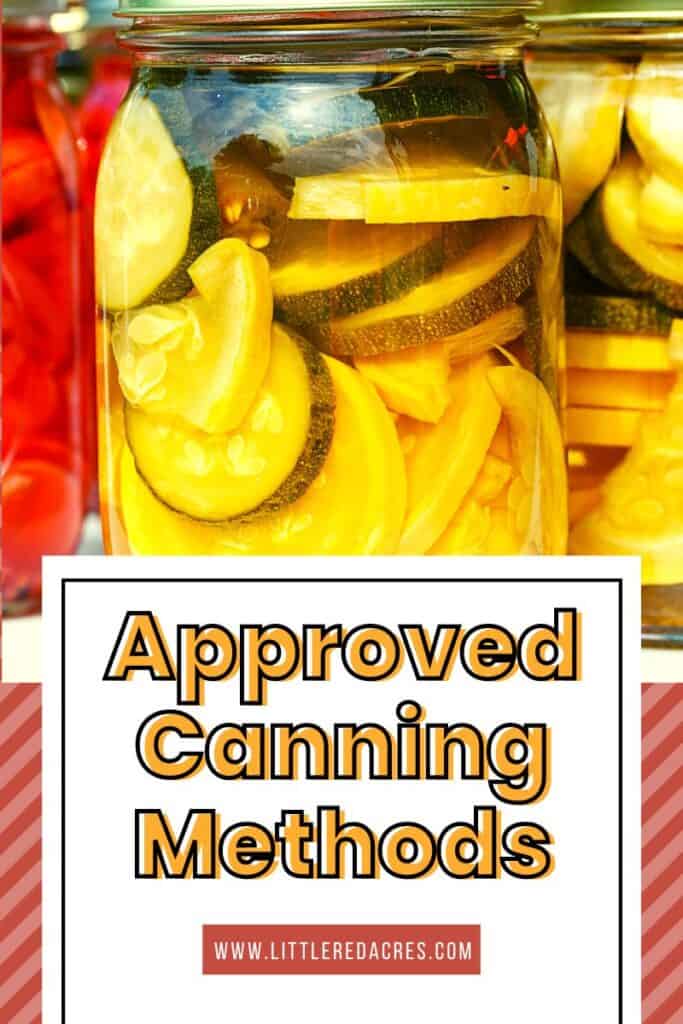
Approved Canning Methods
Canning is a great way to preserve food for your homestead. It is a simple process that can be done with just a few supplies. Canning allows you to store food for later use, and it also makes a great gift for friends and family.
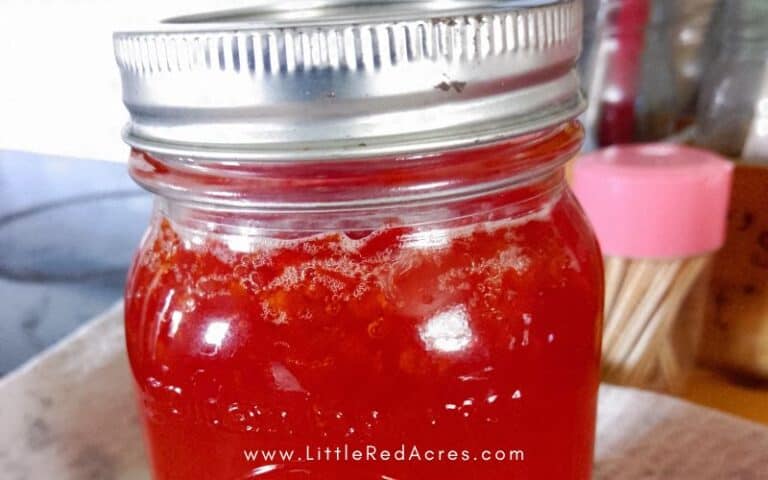
This year we did water canning, the foods we canned were high-acid foods. Like salsa, pizza sauce, jelly, etc.
Pressure Canning
Your great-grandparents likely did not utilize pressure cans, and you may be thinking why, and why do you need one if they didn't need one?
Well, through advances in technology and rigorous testing, we have learned a great deal about microbial growth and food spoilage since the time of your great-grandparents. We also live longer because we know more.
One thing we know is that you need particularly high temperatures for a certain length of time to destroy bacteria, especially with acidic foods. Acidic foods discourage bacteria growth so you don't need to set the stove so high.
Foods that should be canned using a pressure canner include:
- Asparagus
- Corn
- Meat
- Fish
- Potatoes
- Carrots
- Cabbage
- Spinach
- Kale
- Green beans
- Peas
- Beans (such as pinto or kidney)
- Apples
- Pears
These are just some of the low-acid foods for which you'll need a pressure canner.
Hot Water Bath
Some foods do just fine when simmered in a hot water bath. This means that they pour into a water bath, add food into the saucepan, lower the heat to prevent boiling, and simmer for 10 minutes or however long the recipe dictates.
This works okay for high-acid foods, such as the following:
- Berries
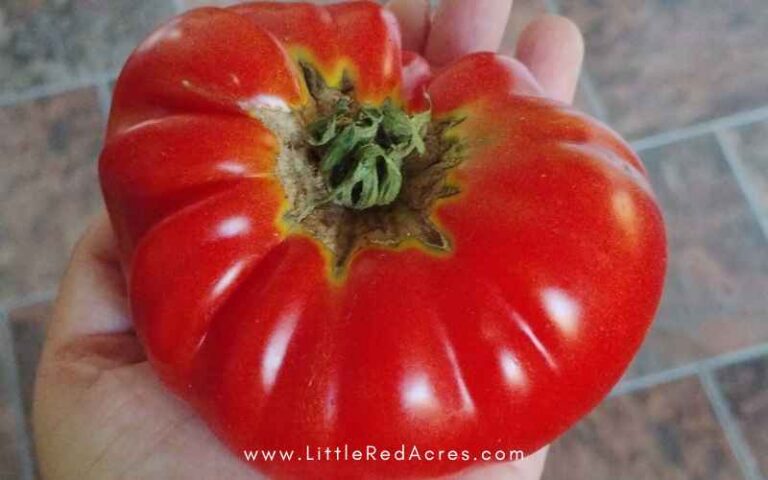
- Tomatoes
- Citrus fruits
- Pineapple
- Cucumber pickles (the vinegar in the recipe makes the food very acidic)
Freezer Canning
This is an effective way to preserve foods you are able to store in the freezer. You can use the container to place the complete food, pour syrup, water, or broth on it, and then freeze it. You can just puree the food and cook it to create sauce or jam, and then freeze it in that way.
Leave 1/4 to 1 inch of empty space between each food item and the top of the jar.
The following foods complement the freezer canning method exceptionally well:
- Meats
- Berries
- Strawberries
- Citrus fruits
- Tomatoes
- Corn
- Homemade salsa
Vinegars and Oils
Vinegars and oils are unique ways to preserve herbs and spices, and while it isn't canning in the strictest sense, it is a great way to preserve foods.
You pour oil or vinegar around lightly packed foods such as these:
- Raspberries (vinegar)
- Herbs such as basil, sage, mint, lemon balm, and rosemary (vinegar)
- Garlic (oil or vinegar)
Sauces
Excess apples, pears, and tomatoes can be made into pasta sauces like salsa, spaghetti sauce, straight tomato sauce, and apple-pear sauce. Follow your favorite recipe for making your preferred sauce, and then freeze, pressure can, or place in a hot water bath.
Frequently Asked Questions About Approved Canning Methods
What is the safest method of canning? The safest method of canning depends entirely on the food's acidity level. For low-acid foods like meat and vegetables, pressure canning is the only safe method because it reaches temperatures high enough to kill botulism spores. For high-acid foods like fruits and jams, boiling water bath canning is completely safe and effective.
Can you eat 20 year old canned food? Technically, yes, you can eat 20-year-old canned food if the can is undamaged and stored in a cool, dry place.
What two foods never expire? Honey and salt never expire.