How to Freeze Tomatoes for Later Use
Inside: How to freeze tomatoes as they ripen, plus how to thaw them and deal with excess tomato liquid for sauces, salsa, soup, and more.
Learning how to freeze tomatoes can make harvest season so much easier. Instead of trying to use every ripe tomato right away, you can freeze them as they ripen and save them until you have enough for your favorite recipes. It's simple, doesn't require any special equipment, and means you can enjoy your garden tomatoes long after the growing season ends.
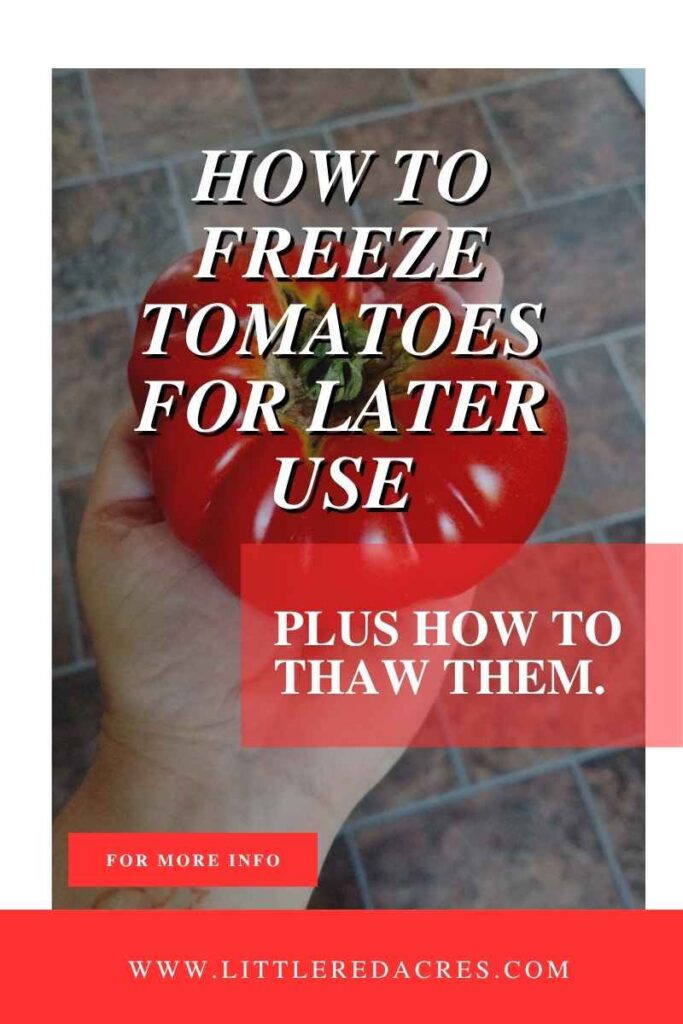
If you've ever grown tomatoes, you know they rarely ripen exactly when you need them to. One day you pick two ripe tomatoes. A few days later, there are three more. Then another handful. Before you know it, you're trying to figure out what to do with tomatoes that are ripening faster than you can eat them.
But what if you're hoping to make a big batch of pizza sauce, salsa, pasta sauce, or tomato soup?
You don't have to wait for all of your tomatoes to ripen at the same time.
Freeze them as they ripen and save them until you have enough to make your recipe.
Freezing tomatoes is one of the easiest ways to preserve a garden harvest, and you don't need any special equipment. You can freeze them whole, sliced, or chopped, and they'll be ready to use later in cooked recipes.
Why Freeze Tomatoes?
Freezing tomatoes is a great option when you don't have enough ripe tomatoes to make a full batch of sauce or salsa yet. This is especially helpful for small gardens where tomatoes don't all ripen at once. I even bought plants that are supposed to ripen all at once this year and I'm still freezing tomatoes.
You can freeze a few tomatoes today, add more next week, and eventually have enough for a big batch of:
- Pizza sauce
- Pasta sauce
- Salsa
- Tomato soup
- Chili
- Stewed tomatoes
- Tomato-based casseroles
- Homemade tomato sauce
The texture of frozen tomatoes does change, so they aren't ideal for eating fresh in salads or sandwiches after thawing. They become softer and release quite a bit of liquid.
But for cooking? They're fantastic.
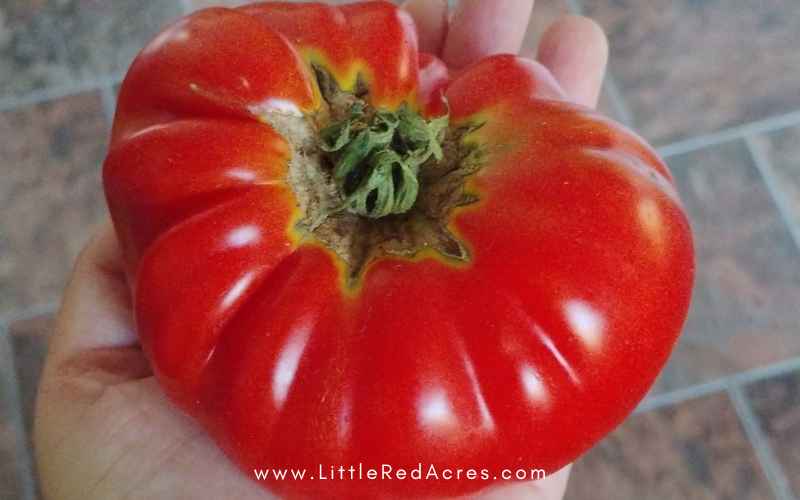
Do You Need to Blanch Tomatoes Before Freezing?
No.
This is one of the reasons I love freezing tomatoes. You don't need to blanch them first, and you don't need to peel them before freezing.
If you're freezing tomatoes specifically to use later in sauces, soups, chili, or other cooked dishes, you can simply wash them, remove the stems, and freeze them.
The skins will loosen as the tomatoes thaw, making them easy to remove if you don't want them in your finished recipe.
How to Freeze Fresh Tomatoes
Wash the tomatoes
Start with ripe, healthy tomatoes.
Give them a good rinse under cool running water and gently dry them.
You don't want to freeze tomatoes that are already moldy, badly damaged, or beginning to rot. Freezing doesn't make spoiled produce safe.
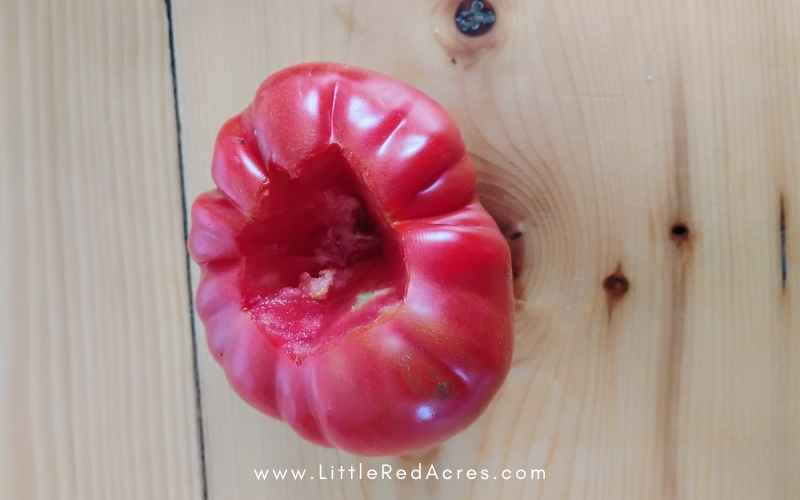
Remove the stems
Remove the stem and any tough core around it.
You can leave the tomatoes whole, or cut them into smaller pieces if you know you'll be using them that way later.
Freeze the tomatoes
Place the prepared tomatoes in freezer bags or freezer-safe containers.
If using freezer bags, squeeze out as much excess air as possible before sealing.
Label the bag with the date and, if you're collecting tomatoes for a specific purpose, you can even write something like “Pizza Sauce” or “Salsa” on the bag.
Then put them in the freezer.
That's it.
As more tomatoes ripen, wash and freeze those too. Eventually you'll have a nice collection of tomatoes ready to turn into something delicious.
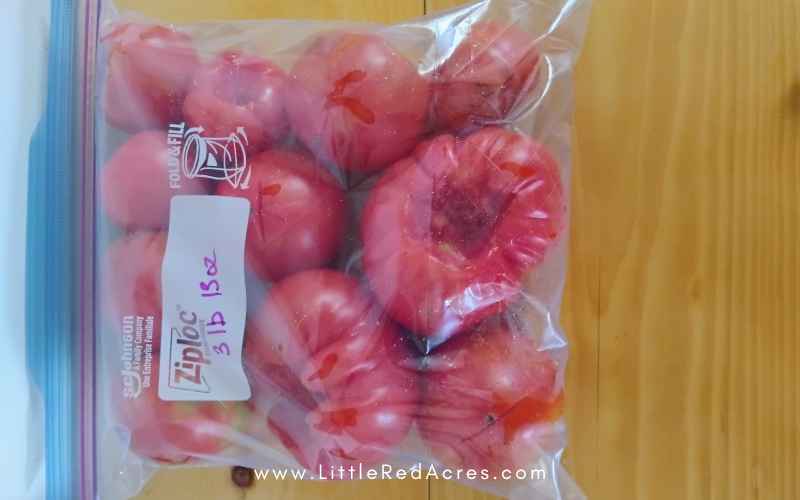
Can You Freeze Tomatoes Whole?
Absolutely.
Freezing tomatoes whole is probably the easiest method of all.
Simply wash them, remove the stems, dry them, and place them in a freezer bag or container.
There's no need to peel them or remove the seeds first.
Once they're frozen, they'll be soft when thawed, but that's perfectly fine for recipes where the tomatoes will be cooked.
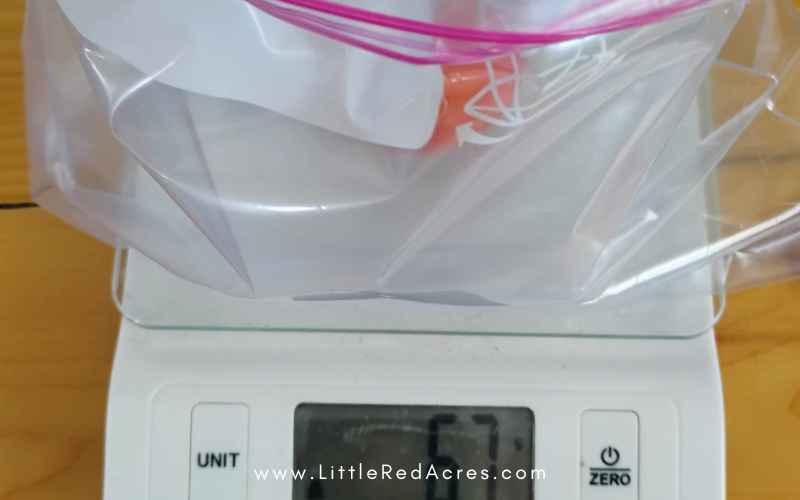
I always weigh my tomatoes before I put them in the freezer. I use my kitchen scale as I bag them and mark on the Ziploc how much is in each bag. All my recipes call for a certain weight of tomatoes (for example: 10 pounds), this way I can easily grab that from the freezer when I need it.
How to Thaw Frozen Tomatoes
When you're ready to use your frozen tomatoes, you have a few options.
Thaw them in the refrigerator
The easiest method is to move the tomatoes from the freezer to the refrigerator and let them thaw overnight.
Put them in a bowl or container because they will release quite a bit of liquid as they thaw.
Don't be surprised when you open the container and find what looks like a bowl full of tomato water.
That's completely normal.
Thaw them while cooking
If you're making something like soup, chili, or sauce, you often don't even need to thaw the tomatoes first.
Add the frozen tomatoes directly to the pot and allow them to cook down. This can actually be easier than dealing with a container of thawed tomatoes.
What Do You Do With All That Tomato “Water”?
This is probably the part that causes the most confusion when freezing tomatoes.
Fresh tomatoes contain a lot of water. When the water inside the tomato freezes, ice crystals damage the tomato's cell structure.
When the tomato thaws, those cells can't hold onto the water quite as well.
The result?
A lot of tomato juice.
And no, you don't necessarily need to throw it away. What you do with it depends on what you're making.
Making pizza sauce or pasta sauce?
You have two choices.
If you want a thicker sauce, drain some of the excess liquid before cooking.
Or keep the liquid and cook the sauce down.
As the sauce simmers, the excess water evaporates, and the tomato flavor becomes more concentrated.
This does take longer, but it can give you a rich, flavorful sauce.
If your recipe already contains a lot of liquid, draining some of it first can save you cooking time.

Making soup?
Keep it!
That tomato liquid is full of tomato flavor and can go right into your soup.
You can add the thawed tomatoes and their liquid directly to the pot.
Making chili?
Keep it or drain some, depending on how thick you like your chili.
If your chili tends to be on the thicker side, you may want to drain some of the liquid first.
If you don't mind letting the chili simmer longer, simply add everything and allow some of the liquid to cook away.

Making salsa?
This is where you need to be a little more careful.
Fresh tomatoes are already quite watery, and frozen tomatoes will release even more liquid.
For a chunky salsa, you'll probably want to drain the thawed tomatoes fairly well before adding your other ingredients.
Otherwise, you may end up with a very watery salsa.
And remember that frozen tomatoes have a much softer texture than fresh tomatoes, so they won't give you quite the same crisp, fresh salsa texture.
For a cooked salsa, however, frozen tomatoes can work very well.
Can You Remove the Tomato Skins After Freezing?
Yes—and this is another nice benefit of freezing tomatoes.
Once frozen tomatoes thaw, their skins often slip off very easily. If you're making sauce and don't want tomato skins in it, simply pull them off once the tomatoes have thawed.
You can also leave the skins on and blend the finished sauce if that's easier for you. (My choice!)
How Long Can Frozen Tomatoes Be Stored?
For the best quality, try to use frozen tomatoes within about 6 to 12 months.
They may remain safe longer if they've stayed continuously frozen, but quality can decline over time.
A good labeling system makes this much easier. If you freeze tomatoes throughout the summer, simply add the newest tomatoes to the bag or container and use the oldest ones first.

A Simple Way to Build Up Tomatoes for a Big Recipe
One of my favorite things about freezing tomatoes is that you don't have to make preservation into a huge project.
You can deal with your tomatoes a few at a time.
Maybe you picked four ripe tomatoes today.
Wash them, remove the stems, and put them in the freezer.
A few days later, you pick six more.
Freeze those too.
Keep doing this throughout the season until you have enough tomatoes to make the recipe you've been waiting for.
Instead of standing in the kitchen trying to make pizza sauce from five tomatoes, you can eventually pull out a full bag of frozen garden tomatoes and make a much larger batch.
It makes preserving a garden harvest feel much more manageable.
Freezing Tomatoes Makes Harvest Season Easier
You don't have to turn every tomato into sauce the minute it ripens.
Sometimes the easiest way to preserve a garden harvest is simply to put it in the freezer and deal with it later.
Freeze a few tomatoes here and there as they ripen, and by the end of the season, you'll have a freezer full of tomatoes ready for whatever you want to make.
And honestly, that's one of the nicest things about growing your own food.
You don't have to do everything at once.
Let the tomatoes ripen when they're ready. Freeze them. Then make your sauce, salsa, soup, or whatever else you have planned when you actually have the time—and enough tomatoes to make it worthwhile.
Frequently Asked Questions About Freezing Tomatoes
Why are my frozen tomatoes watery after thawing? Freezing damages some of the tomato's cell structure, which causes the tomatoes to release liquid when they thaw. This is completely normal. You can drain some of the liquid or cook it down, depending on your recipe.
Should I drain frozen tomatoes before making sauce? Not necessarily. If you want a thicker sauce more quickly, drain some of the excess liquid. Otherwise, keep it and simmer the sauce until the extra water evaporates.
Can I add tomatoes to the freezer as they ripen? Absolutely. This is one of the easiest ways to build up enough tomatoes for a large recipe. Just freeze each batch as it ripens and keep adding to your freezer stash throughout the season.