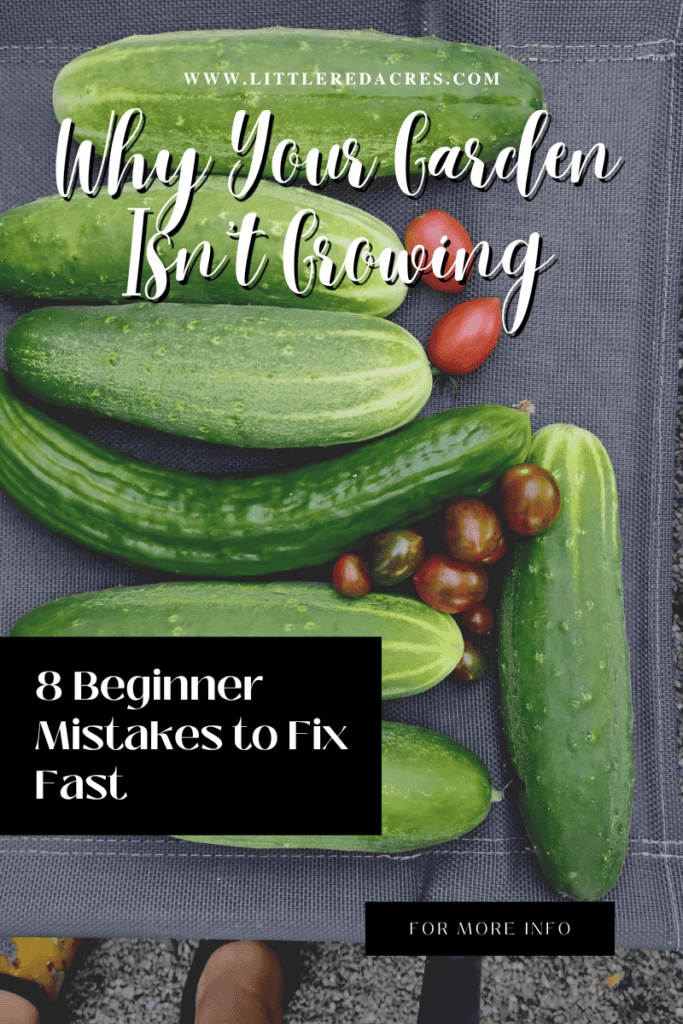
Why Your Garden Isn’t Growing: 8 Beginner Mistakes to Fix Fast
Inside: Struggling with slow or stunted plants? Learn the most common beginner gardening mistakes—like poor soil, watering issues, and lack of pollination—and how to fix them for better growth.
If your garden isn’t growing the way you expected, you’re not alone. You plant the seeds. You water. You wait. And somehow… things are slow, stunted, or just not happening at all. It’s frustrating—but here’s the truth: most gardening problems come down to a handful of very common beginner mistakes.
This post may contain affiliate links, see my disclosure policy for more information.
Why Your Garden Isn’t Growing: 8 Beginner Mistakes to Fix Fast
I’ve run into a lot of these myself this season—slow pumpkins, struggling plants, weird growth patterns—and once you understand what’s going on, it all starts to make sense. You are going to run into even more challenges as you expand your garden or try growing new things.
Let’s break it down.
Your Soil Isn’t Doing the Work
Plants don’t grow in dirt—they grow in soil. And there’s a big difference.
If your soil is lacking nutrients, too compact, or not holding moisture properly, your plants will struggle no matter how often you water or fertilize.
This can show up as:
- Slow growth
- Pale or yellow leaves
- Small or weak plants
Real example:
If your pumpkins are growing vines but not really taking off, or producing very slowly, it’s often a soil issue. Pumpkins are heavy feeders—they need rich, nutrient-dense soil to thrive. Something I am learning this year, as it currently looks like I might get two pumpkins out of my three plants.
What helps:
- Add compost regularly
- Use organic fertilizers (like fish fertilizer)
- Avoid relying only on top watering without improving the soil itself
You’re Watering… But Not Effectively
Watering every day doesn’t always mean your plants are getting what they need. Shallow watering can lead to weak roots, while inconsistent watering stresses plants out.
Signs this might be your issue:
- Plants look droopy even after watering
- Growth is slow or inconsistent
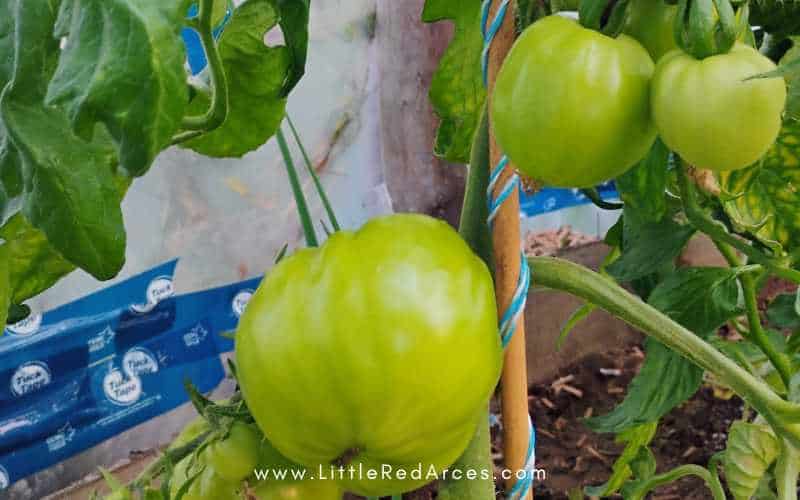
- Fruit (like pumpkins or tomatoes) develops poorly
What to do instead:
- Water deeply, not just lightly
- Let the top layer of soil dry slightly between watering
- In humid climates (like here in Nova Scotia), avoid overwatering—plants can struggle just as much from too much water as too little
Your Plants Aren’t Getting Enough Sun
This is one of the biggest silent problems. Even if a space looks bright, it might not be getting enough direct sunlight for vegetables to grow properly.
This especially affects:
- Pumpkins
- Tomatoes
- Beans
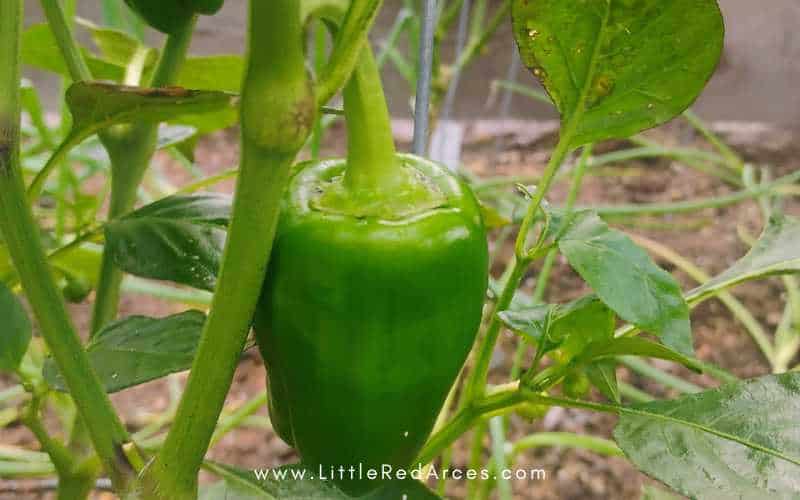
- Peppers
What it looks like:
- Long vines but little fruit
- Healthy leaves but no production
- Plants growing slowly or stretching
Most vegetables need 6–8+ hours of direct sun to really perform.
You’re Expecting Fast Growth (But Nature Has Its Own Timeline)
This one gets a lot of beginners—including me. You plant something and expect it to explode with growth… and when it doesn’t, it feels like something is wrong.
But many plants take time to establish roots before you see top growth.
Example from this season:
- Pumpkins can sit there looking like they’re doing nothing… and then suddenly take off
- Root crops (like carrots) especially take patience
If your plants look healthy but slow, they may just be establishing themselves.
Pollination Problems (Why Your Plants Aren’t Producing)
This is a big one for crops like pumpkins, cucumbers, and squash.
You might get lots of flowers—but no fruit.
Why this happens:
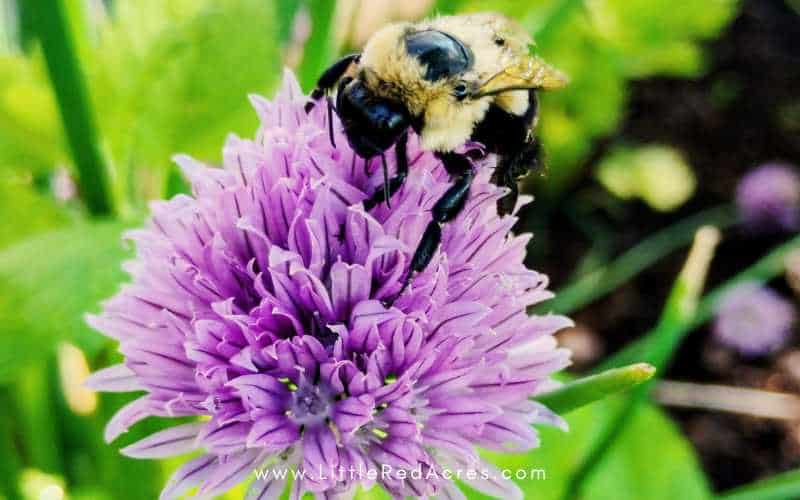
- Not enough pollinators
- Too much humidity or rain
- Male flowers blooming before female ones
With pumpkins specifically:
You’ll often see flowers early on, but fruit only develops once pollination happens properly.
If your pumpkin vine is growing but production is slow, pollination could be part of it.
What helps:
- Encourage pollinators (flowers nearby help)
- Hand pollinate if needed
- Be patient—timing matters
Overcomplicating Fertilizing
It’s easy to think more fertilizer = better growth. But too much—or the wrong type—can actually slow things down.
Coffee grounds and fish fertilizer:
- Fish fertilizer is great for overall growth
- Coffee grounds can help soil structure, but shouldn’t be overused
Simple rule:
Feed your soil, not just your plants.
Stick with:
- Compost – A great example for my garden would be that in my greenhouse I added chicken manure compost and things are growing great. Outside, they are needing more help.
- Occasional liquid feeding
- Balanced nutrients
Planting in the Wrong Space
This shows up more than people realize.
Things like:
- Shallow beds (like your 6–8 inch space)
- Half sun / half shade areas
- Crowded planting
All of these can limit growth.
Example:
Trying to grow deep-root crops (like carrots) in shallow soil won’t work well, no matter what you do.
Matching the plant to the space is key.
Ignoring Small Problems Until They’re Big
A small issue early on can turn into a major setback.
Things like:
- Pests (like aphids)
- Leaves getting eaten
- Odd growth in one section of your greenhouse
Catching these early makes a huge difference.
So… Why Isn’t Your Garden Growing?
Most of the time, it’s not one big mistake—it’s a combination of small ones:
- Soil needs improvement
- Watering needs adjusting
- Sunlight isn’t quite enough
- Plants just need more time
The good news? These are all fixable.
Gardening isn’t about getting everything perfect—it’s about learning what your plants need as you go.
This season alone, I’ve dealt with:
- Pumpkins that seemed slow to grow
- Questions about fertilizing
- Figuring out what works in different spaces
And every single one of those things teaches you something for the next season.
If your garden isn’t growing the way you hoped, don’t give up. You’re not failing—you’re just learning how your garden works. And that’s exactly how it’s supposed to go.
Frequently Asked Questions: Why Your Garden Isn’t Growing
How do I know if my soil is the problem? If your plants look pale, weak, or aren’t getting bigger despite watering, your soil may be lacking nutrients. Soil that is too compact or dries out too quickly can also limit plant growth.
Can overwatering stop plants from growing? Yes. Overwatering can suffocate roots and lead to poor growth or even root rot. Plants need oxygen in the soil as much as they need water, so consistently wet soil can actually harm them.
Do I need to fertilize my garden regularly? Not necessarily. It’s better to focus on building healthy soil with compost and occasional feeding (like fish fertilizer). Too much fertilizer can actually harm plants or lead to lots of leaves but little production.

Want More?
When to Harvest Chive Flowers for Seeds (Perfect Timing Guide)
Why Are Mushrooms Growing in My Raised Garden Bed? (Good Sign!)