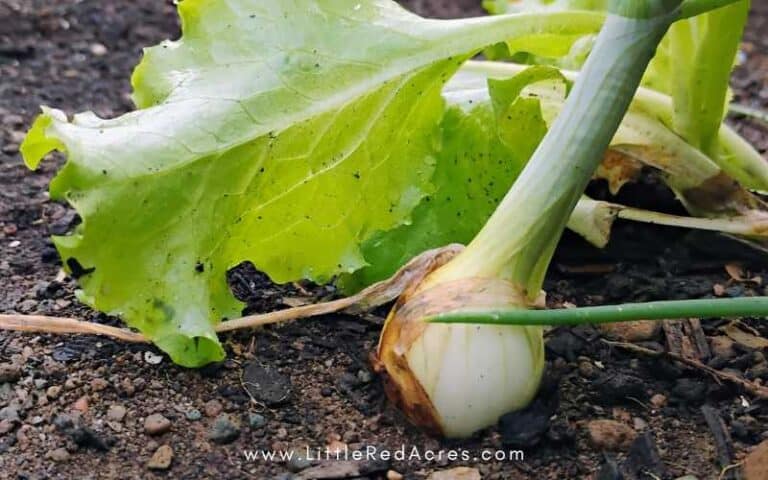
Why Are Mushrooms Growing in My Raised Garden Bed? (Good Sign!)
Inside: Seeing white or small mushrooms in your raised garden bed? Here’s what it means, if they’re safe, and how to handle them.
If you’ve recently noticed mushrooms growing in your raised garden bed, you’re not alone. This is one of those moments that makes a lot of beginner gardeners pause and wonder: “Is something wrong with my soil?” The short answer? No—actually, it’s usually a very good sign.
This post may contain affiliate links, see my disclosure policy for more information.
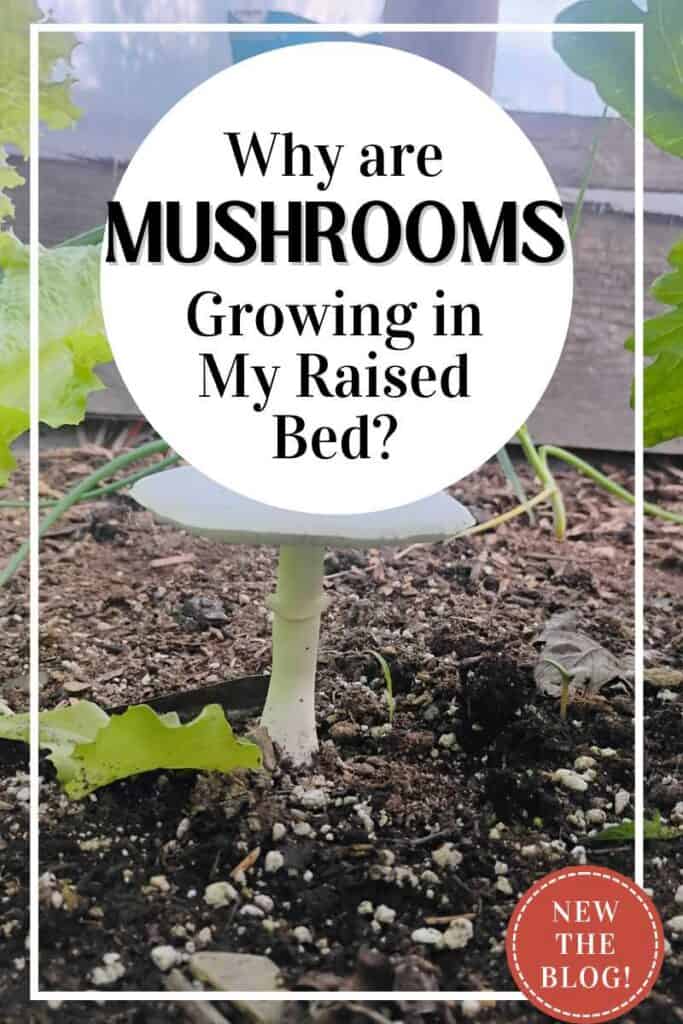
Why Are Mushrooms Growing in My Raised Garden Bed?
Let’s break down why mushrooms are growing in your garden, whether they’re something to worry about, and what (if anything) you should do.
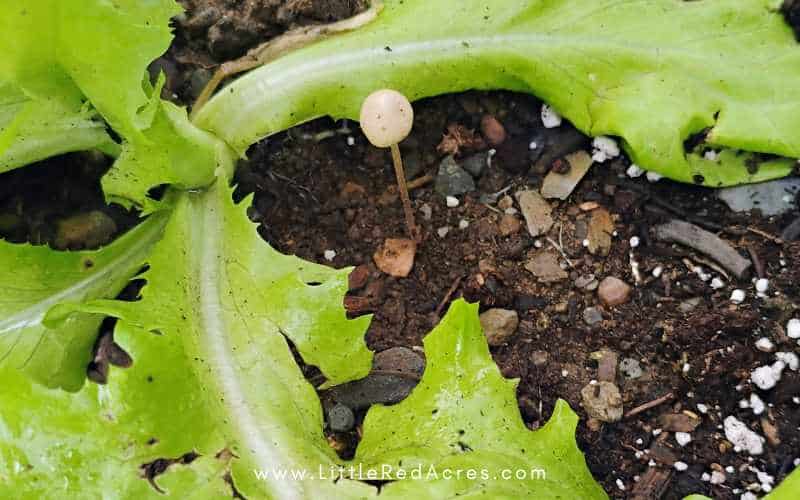
Mushrooms growing in a raised garden bed are completely natural. What you’re seeing is the visible part of a much larger underground network of fungi.
Fungi thrive in environments that are:
- Rich in organic matter
- Moist or humid
- Full of decomposing materials like wood, mulch, or compost
If you have mushrooms growing in your raised vegetable bed or raised flower bed, it’s often because your soil is healthy and full of life.
In many cases, especially with white mushrooms growing in raised garden beds or even small mushrooms popping up after rain, they are feeding on:
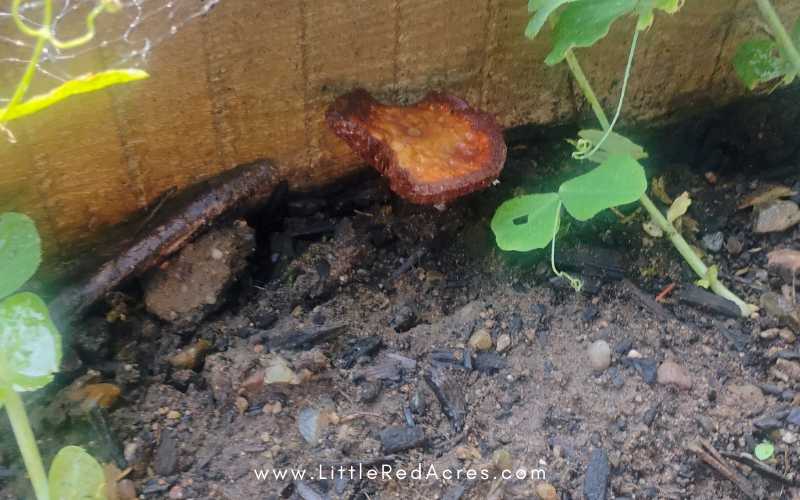
- Wood used in the bed frame (in my case)
- Mulch or wood chips
- Compost or organic soil amendments
This is exactly what fungi are supposed to do.
Mushrooms Growing in Garden: Good or Bad?
This is the big question—and the answer is mostly good.
Why Mushrooms Are a Good Sign
Mushrooms play an important role in your garden ecosystem. They help break down organic material and turn it into nutrients your plants can actually use.
Here’s why mushrooms growing in your vegetable garden bed are beneficial:
- Improves soil health – Fungi help convert organic matter into nutrients, making your soil richer over time.
- Breaks down wood and mulch – If your raised bed contains wood or mulch, fungi help decompose it into usable organic matter.
- Supports a living soil system – Healthy soil isn’t just dirt—it’s a living system. Mushrooms are a sign your soil is biologically active.
So if you’re seeing wild mushrooms growing in your raised garden bed, your garden is doing exactly what it should.
Are the Mushrooms in My Garden Poisonous?
This is where a little caution is needed.
Many gardeners ask: Are the mushrooms in my garden poisonous?
The truth is, some mushrooms can be toxic if eaten, and mushroom identification can be tricky—even for experienced foragers.
Here’s the safest approach:
- Do not eat any mushrooms growing in your garden
- Teach children not to touch or taste them
- Keep pets away from them if possible
Even if you notice white mushrooms growing in your garden or red mushrooms growing in your raised garden bed, it’s best to admire them and leave them alone.
Good for your soil does not always mean safe to eat.
Why Do Mushrooms Keep Growing in My Raised Garden Bed?
If mushrooms keep appearing in your raised vegetable bed, it usually comes down to a few consistent conditions:
- Regular watering or recent rainfall
- High humidity
- Lots of organic matter in the soil
- Shady or partially shaded conditions
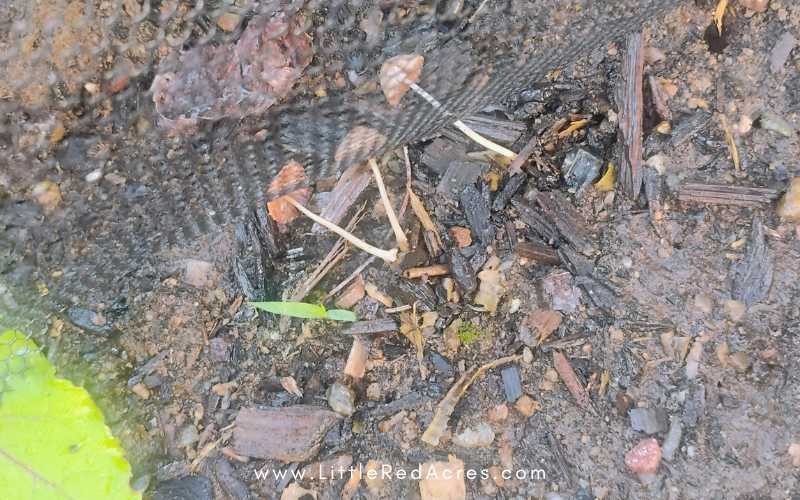
You might notice small mushrooms growing in your raised garden bed overnight, especially after a stretch of damp weather. This is completely normal.
Fungi live in the soil year-round. The mushrooms you see are just the “fruiting bodies” that pop up when conditions are right.
Do You Need to Remove Mushrooms?
In most cases, no action is needed.
Mushrooms in your garden are not harming your plants. They are simply doing their job in the background.
However, if you don’t like how they look or want to be cautious, you can:
- Pick or knock them over
- Dispose of them in the compost or garbage
- Avoid handling them with bare hands if unsure of the type
Just know that removing the visible mushrooms doesn’t remove the fungi in the soil—it will likely come back when conditions are right.
How to Reduce Mushrooms in Raised Beds (If You Want To)
If mushrooms growing in your raised garden bed are bothering you, there are a few small adjustments you can make:
- Let the soil dry slightly between watering -Fungi love moisture, so reducing excess water can slow their growth.
- Improve drainage – Make sure your bed isn’t staying soggy.
- Increase sunlight exposure – If possible, more sun can help dry the soil surface.
- Pull soil and mulch slightly away from wood edges – This is especially helpful if mushrooms are growing along the sides of your raised bed.
A Note About Mushrooms Growing on Raised Bed Wood
If you notice mushrooms growing directly on the wooden edges of your raised garden bed, they are likely feeding on the wood itself.
This is normal—but it does mean:
- The wood in that area will break down faster over time
To slow this process:
- Keep soil and mulch slightly pulled back from the wood
- Avoid constant moisture against the boards
- Improve airflow and drainage if needed
If you’re seeing mushrooms growing in your raised garden bed, it’s not a problem—it’s a sign of a healthy, active soil system.
While it’s important not to eat unknown mushrooms, their presence in your garden means your soil is rich in organic matter and full of life.
And honestly? That’s exactly what every gardener is working toward.
So between thriving plants and mushrooms popping up, your garden is doing what it’s supposed to do—and you’re on the right track.
Frequently Asked Questions About Mushrooms in Your Raised Beds
Are mushrooms good for a raised garden bed? Mushrooms are an excellent addition to outdoor raised bed gardens, offering delightful culinary treats and soil enrichment for nearby plants.
What triggers mushroom growth? Mushroom growth is triggered by a combination of high humidity, a drop in temperature, fresh air, and access to a rich nutrient source.

Want More?
Easy Ways to Make Money From Your Small Homestead
Are Coffee Grounds Good for Vegetable Plants?
Growing Potatoes on a Homestead: How to Grow, Harvest, and Store Potatoes for Your Family