Easy Ways to Make Money From Your Small Homestead
Inside: Discover creative and practical ideas for making money from your homestead. This post explores ways to earn cash living a sustainable life.
Your homestead doesn't have to be large to bring in a little extra income. You don't need hundreds of acres, a huge market garden, or a barn full of livestock to make money homesteading. A small backyard, a few raised beds, some chickens, or even a useful skill can become a source of additional income.

This post may contain affiliate links, see my disclosure policy for more information.
The key is to look at what you already have and ask yourself: Can I grow it, raise it, make it, or teach it in a way that someone else would be willing to pay for?
For some homesteaders, that might mean selling extra eggs. For someone else, it could be selling vegetable seedlings in the spring, raising chicks, offering garden produce, or creating a digital guide based on something they've learned.
You don't have to turn your homestead into a full-time business. In fact, for many small homesteads, the goal is simply to make enough extra money to help pay for feed, seeds, fencing, supplies, or the next project on the homestead.
Here are some realistic ways to make money from a small homestead.
Sell What Your Homestead Already Produces
One of the easiest places to start is with something you're already producing.
Instead of adding an entirely new business to your homestead, look at what you regularly have more of than your family can use.
Sell Farm-Fresh Eggs
If you keep chickens, ducks, or quail, you may eventually find yourself with more eggs than your household can eat, especially in the spring when they start laying after a winter break.
Selling those extra eggs can be a simple way to bring in some money while putting your flock to work.
Chicken eggs are probably the most obvious option, but duck and quail eggs can also appeal to customers looking for something a little different.
Before selling eggs, make sure you understand the rules that apply where you live. Requirements for selling eggs can vary depending on your location, including things like labeling, packaging, grading, and where you're allowed to sell them.
And don't assume you need a huge flock. A small flock producing a few extra dozen eggs each week can still help offset some of your feed costs.

The Homesteader’s Guide to Making Money
The Homesteader’s Guide to Making Money is an essential guide for anyone interested in starting a homesteading business. This comprehensive guide covers everything from finding the right land and securing financing to marketing your products and services. You’ll learn how to start and run a successful homesteading business while avoiding the common pitfalls that can lead to failure.
Sell Chicks, Started Birds, or Hatching Eggs
If you're already raising poultry, there are several ways to make money beyond selling eating eggs.
You can potentially sell:
- Hatching eggs
- Newly hatched chicks – silkie chickens will happily hatch chicks for you!
- Started chicks
- Young pullets
- Breeding birds
- Older hens
- Quail and quail eggs
- Ducks or ducklings
- Turkeys or poults
This can be especially useful if you're already hatching your own birds.
Instead of keeping every chick you hatch, you can sell some of them to other backyard flock owners and homesteaders.
I've found that there is also a market for birds at different stages of growth. Not everyone wants to hatch eggs, and not everyone wants to buy a tiny chick. Some people would much rather buy a young bird that's already feathered and growing well.
Sell Extra Garden Produce
A productive garden can produce more food than your family can possibly eat.
When your zucchini, cucumbers, tomatoes, beans, or other vegetables start coming in faster than you can use them, selling some of the excess can turn a garden surplus into extra income.
You don't necessarily need a huge market garden, either.
A small homestead garden can produce a surprising amount of food when you grow crops your family actually eats.
You can sell directly to neighbors, friends, local customers, or through whatever farm-gate or market options are available in your area.

Sell Plant Starts
This is one of my favorite small-homestead income ideas because you don't need a huge amount of land.
Start extra tomatoes, peppers, herbs, flowers, or other popular garden plants in the spring and sell the young plants once they're ready for the garden.
You can start them indoors, in a greenhouse, or in another protected growing space.
And you don't necessarily need fancy equipment. If you're already starting plants for your own garden, growing a few extras doesn't require much additional effort.
Save and Sell Seeds
If you save seeds from your garden, consider saving enough to sell some of them.
Heirloom, unusual, open-pollinated, and locally adapted varieties can be particularly interesting to other gardeners.
You will need to make sure the seeds you sell meet any applicable requirements where you live, but seed saving can be an appealing small-scale business because the product is tiny, easy to store, and inexpensive to ship compared with many physical products.

Turn Your Homesteading Skills Into Income
You don't always have to sell something you grew or raised.
Sometimes the most valuable thing you have is knowledge you've gained from doing the work yourself.
Teach a Homesteading Skill
If you're good at something, there may be someone nearby who wants to learn it.
You could teach a small class or workshop about something you already know how to do, such as:
- Starting seeds
- Growing vegetables
- Raising chickens
- Bread baking
- Sourdough
- Preserving food
- Saving seeds
- Building a garden
- Basic poultry care
You don't need to become a professional instructor. A small, informal workshop can be enough to get started.
Offer Homestead or Garden Help
Not everyone who wants a garden has the time or confidence to get one started.
Depending on your experience, you could offer services such as garden planning, planting help, watering while someone is away, harvesting, or basic garden maintenance.
You could also offer chicken or small-animal care for people who need someone to check on their animals while they're away.
These types of services can be particularly useful because you're selling your time and knowledge rather than needing to produce an inventory of products.

Make Money From Your Garden
You don't have to sell the vegetables themselves.
There are several other ways a productive garden can generate income.
Sell Cut Flowers
Flowers are an excellent example of a high-value crop that doesn't necessarily require a huge amount of space.
You can grow flowers specifically for cutting and sell simple bouquets locally.
You don't need a massive flower farm to start. A few well-planned beds can provide flowers for bouquets throughout the growing season.
Sell Perennial Plants and Divisions
Once you have established perennial plants, you may be able to divide them and sell the extras.
Depending on local demand, this could include herbs, flowers, berry plants, or other garden perennials.
It's a particularly useful idea if your garden already has plants that naturally spread or need dividing.
Sell Garlic
Garlic can be a good small-scale crop because it doesn't require a huge amount of space and stores well after harvest.
You can sell individual bulbs, bundles, or planting garlic, depending on local regulations and demand.
The key is to grow varieties people actually want and save your best bulbs for future planting.
Make Money From Your Animals
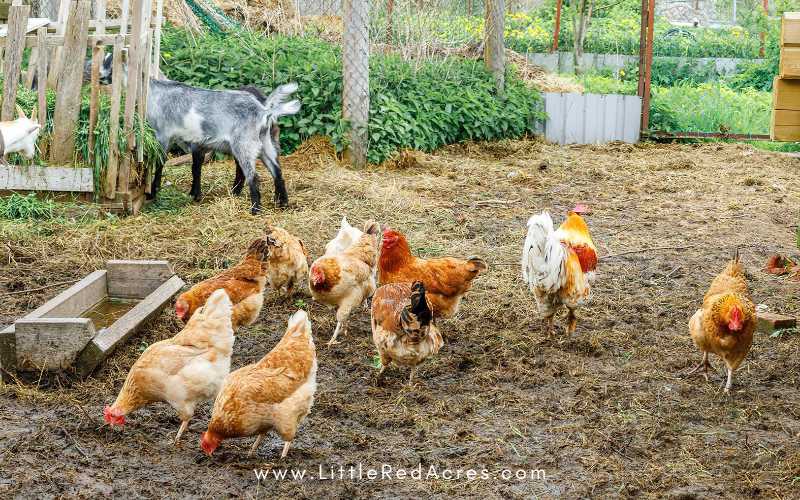
Livestock can provide more than one potential income stream.
Sell Breeding Stock
If you have healthy, well-cared-for animals with desirable traits, you may be able to sell them as breeding stock.
This can apply to poultry, rabbits, goats, sheep, or other livestock depending on what you raise.
Good records, healthy animals, and being honest about what you're selling are important if you want to build a good reputation.
Sell Manure and Compost
Yes, people will buy poop.
Gardeners need compost and aged manure, and if you're already keeping animals, you may have more than you need.
Instead of viewing manure as waste, it can become another useful product from your homestead.
Just make sure you're familiar with any local requirements around selling or transporting manure and compost.
Sell Wool, Fiber, Feathers, or Other Byproducts
Depending on the animals you keep, there may be useful materials left over that other people want.
Wool, fiber, feathers, hides, and other byproducts can sometimes be sold to crafters, artists, gardeners, or other homesteaders.
This isn't necessarily going to make you rich, but it can help you get more value from resources you already have.
Make and Sell Homestead Products
If you enjoy making things, your homestead can provide inspiration—and sometimes raw materials—for products you can sell.
Baked Goods
If you already bake bread, sourdough, cookies, or other baked goods, you may be able to sell them locally if permitted by your local regulations.
This can be a good option because you're turning a skill you already use at home into a product.
Preserved Foods
Canning, dehydrating, freezing, fermenting, and other preservation methods allow you to extend the life of your harvest.
Depending on your local laws, you may be able to sell certain preserved foods such as jams, jellies, pickles, dried herbs, or other shelf-stable products.
Food regulations vary widely, so this is one area where you definitely want to check the rules before selling anything.

You Don't Have to Sell Everything
One of the easiest ways to make your homestead more financially useful is something we often overlook:
You can save money by growing and producing your own food.
That may not feel like “making money,” but it still improves your household's bottom line.
A garden can reduce your grocery bill.
A flock of chickens can provide eggs.
Freezing tomatoes can give you ingredients for sauces later in the year.
Growing herbs means you don't have to buy fresh herbs every week.
Preserving a harvest means you can eat food you've already grown months later.
And learning how to repair, build, bake, preserve, grow, and raise things yourself can reduce the number of things you need to purchase.
Sometimes the most profitable thing you can do on a small homestead is simply use what you already have instead of buying it.
How to Get Started Making Money From Your Homestead
You don't need to start five different businesses at once.
In fact, I wouldn't recommend it.
Start by looking at what you're already doing.
Ask yourself:
- What do I regularly produce more of than I can use?
- What do people already ask me about?
- What skills do I have?
- What do I already have that could be useful to someone else?
- What could I produce without adding a lot of extra work?
- What could I sell seasonally?
- What would I actually enjoy doing?
Then choose one thing and test it.
You might discover that selling a few dozen eggs a week is perfect for you. Maybe plant starts become your spring side hustle. Maybe you discover that people are willing to pay for your garden planning skills.
You don't have to build a huge homestead business.

Keep Track of What You're Actually Making
It can be easy to look at $100 in sales and think, “I made $100!”
But that's not necessarily your profit.
Keep track of expenses such as:
- Feed
- Seeds
- Soil and fertilizer
- Containers and packaging
- Equipment
- Market fees
- Advertising
- Shipping
- Supplies
- Your time
This will help you figure out which activities are actually worth doing.
Some homestead projects may make money.
Some may simply pay for themselves.
And some may save you money rather than generate income.
All three can be worthwhile.
Making money from a small homestead doesn't have to mean turning your property into a commercial farm.
For many small-scale homesteaders, the best opportunities come from doing more with what they already have.
Sell your extra eggs. Grow a few more seedlings. Sell surplus produce. Raise a few extra chicks. Save seeds. Teach a skill. Create a printable. Turn something you already know how to do into a product or service.
Start small, see what works, and build from there.
Your homestead doesn't have to produce a full-time income to be financially valuable.
Sometimes making a few hundred dollars from something you were already doing—or saving a few hundred dollars by growing and preserving your own food—is exactly the kind of extra income that makes small-scale homesteading work.
Frequently Asked Questions About Making Money From Your Homestead
How do you make money on a homestead? There are many ways homesteaders can make money, you just have to figure out what works best for you.
Can I make money from farming? Selling what you grow is both personally rewarding and potentially profitable. There's high demand for fresh farm goods and value-added products such as soaps and jams.