Tips for Starting a Homestead: A Beginner’s Guide
Inside: Starting a homestead doesn't require a farm or a big budget. Explore practical tips for growing food, preserving your harvest, and building self-sufficiency.
You don't need to move to a farm to start a homestead. You don't even need a big backyard. Starting a homestead can be as simple as growing a few vegetables, cooking more meals from scratch, or learning how to preserve the food you already buy.
This post may contain affiliate links, see my disclosure policy for more information.
Tips for Starting a Homestead: A Beginner's Guide
Homesteading is about becoming more self-sufficient, finding ways to cut costs, and living a little closer to nature. For some people, that means raising chickens, growing a large garden, and preserving enough food to last through winter. For others, it means growing herbs on a balcony and learning to make their own bread.
There is no single right way to start a homestead. The best approach is to start with what you have, learn as you go, and build on your skills over time.
I've been building our own small-scale homestead, starting with chickens, then adding Coturnix quail and turkeys, along with growing our own food. There is always something new to learn, and I've found that starting small makes it easier to figure out what works for our family.
If you're thinking about starting a homestead of your own, here are some practical tips to help you get started.
What Is Homesteading?
Homesteading means making choices that help you become more self-sufficient. It often involves producing some of your own food, learning practical skills, using resources wisely, and relying less on store-bought products and outside services.
For some people, homesteading includes owning land and raising livestock. For others, it looks more like gardening, baking bread, preserving seasonal produce, and finding ways to reuse what they already have.
You can even be an urban homesteader by growing food in containers, making meals from scratch, composting, and learning traditional household skills.
Homesteading doesn't have to be all or nothing. You can start with one small project and gradually add more as your time, space, budget, and confidence allow.
Tips for Starting a Homestead Step by Step
Consider What Homesteading Involves
Before you start buying seeds, building a chicken coop, or planning a huge garden, take some time to think about what homesteading will actually look like in your everyday life.
Talk to other homesteaders and ask about both the good and the challenging parts. Find out how much time they spend caring for their gardens and animals, what their biggest expenses are, and what they wish they had known when they started.
Homesteading can be incredibly rewarding, but it also comes with responsibilities.
Start by asking yourself:
- How much time can I realistically spend on homesteading each day?
- What do I want to grow, raise, make, or learn?
- Am I prepared for the ongoing costs?
- What will happen if I get sick or need to leave home?
- Does everyone in my household understand what this lifestyle involves?
It's much easier to build a homestead that fits your life than to try to rearrange your entire life around projects you weren't prepared for.
Set Goals for Your Homestead
It's easy to get carried away when you start looking at homesteading ideas. One minute you're planning a vegetable garden, and the next you're researching livestock, greenhouses, fruit trees, and homemade everything.
I recommend choosing a few realistic goals instead of trying to do it all at once.
Think about what self-sufficiency means to you. Do you want to grow more of your own food? Save money on groceries? Raise your own eggs? Learn to preserve food for winter?
Your goals will help you decide where to spend your time and money.
You could set goals such as:
- Grow five vegetables your family regularly eats.
- Cook five meals a week from scratch.
- Learn to preserve one type of food this season.
- Start a small compost pile.
- Save enough money to build a garden bed next spring.
- Learn how to care for one type of livestock before adding another.
Try to make your goals specific and achievable. You can always add more once you've developed a routine.
Make a Homestead Budget
Homesteading can help you save money over time, but getting started isn't always cheap.
Seeds, soil, tools, fencing, animal housing, feed, and equipment can add up quickly. Before you begin a new project, work out what it will cost to start and what it will cost to maintain.
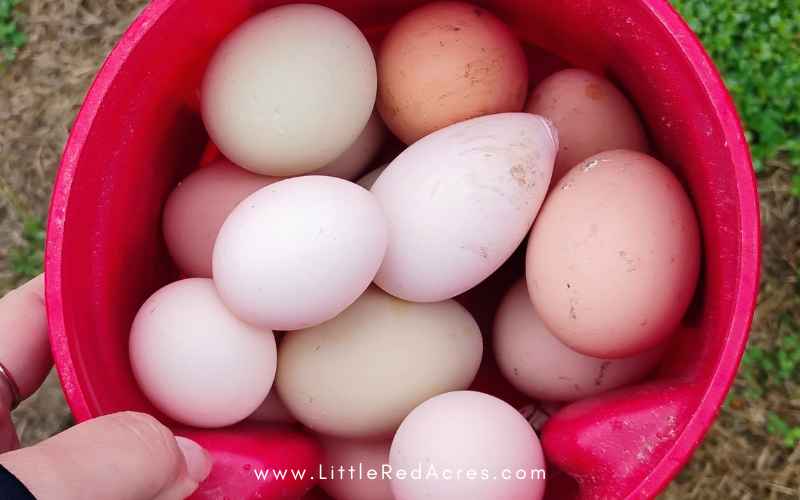
For example, if you're thinking about raising chickens, consider the cost of a coop, secure fencing, feeders, waterers, bedding, feed, and any ongoing care they may need.
If you're starting a garden, you might need soil amendments, compost, seeds, containers, or raised beds. You may be able to reduce some of these costs by reusing materials or borrowing tools.
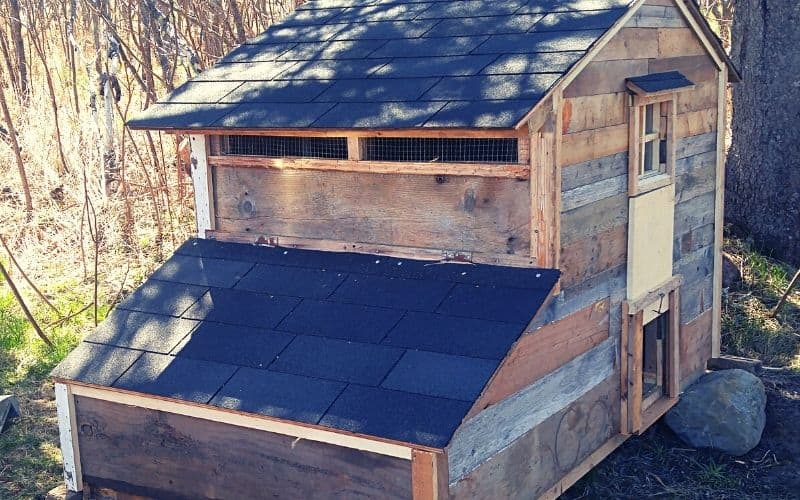
We built our first chicken coop using scrap wood, which helped us keep the initial expense down.
You don't have to buy everything brand new, but make sure anything you reuse is safe and suitable for its intended purpose.
I also recommend keeping track of what you spend. This gives you a clearer picture of where your money is going and helps you decide which projects are worth expanding.
Before adding something new to your homestead, ask yourself:
- What will it cost to get started?
- What will it cost each month or year?
- Do I already own something that could do the job?
- Will this help me reach one of my homesteading goals?
- Can I afford the project without putting pressure on our household budget?
Remember, the goal isn't to produce everything yourself at any cost. It's to build a more self-sufficient lifestyle that works for you.
Start Small
This is probably one of the most important tips I can give you.
You don't need to start a garden, raise chickens, bake bread, make your own soap, and learn to can food all in the same season.
Pick one or two projects and give yourself time to learn them properly.
If you've never gardened before, start with a small garden containing vegetables your family enjoys. If you're interested in livestock, research the animals that suit your space, budget, and experience level before bringing any home.
You might begin with:
- A few raised beds or containers.
- A small herb garden near your kitchen.
- A compost bin.
- Baking your own bread.
- Learning to freeze seasonal produce.
- A small flock of chickens, if your property and local rules allow it.
Quail may also be an option for some small-scale homesteaders because they generally require less space than chickens. However, they still need suitable housing, daily care, appropriate feed, and protection from predators, and local rules should always be checked.
Give yourself a season to figure out what works before adding another major project.
There is no prize for having the biggest garden or the most animals. A small, manageable homestead that meets your family's needs is far more useful than one that leaves you overwhelmed.
Start Growing Your Own Food
Growing food is a great way to begin homesteading. You can start small, learn as you go, and gradually increase the amount you grow.
If you're new to gardening, choose vegetables that your family already eats. There's little point in spending time growing a vegetable nobody wants to put on their plate!
Think about what grows well in your area, how much sunlight you have, and how long your growing season is.
Easy starting points include lettuce, radishes, green onions, snap peas, and herbs, depending on your local growing conditions and the time of year.
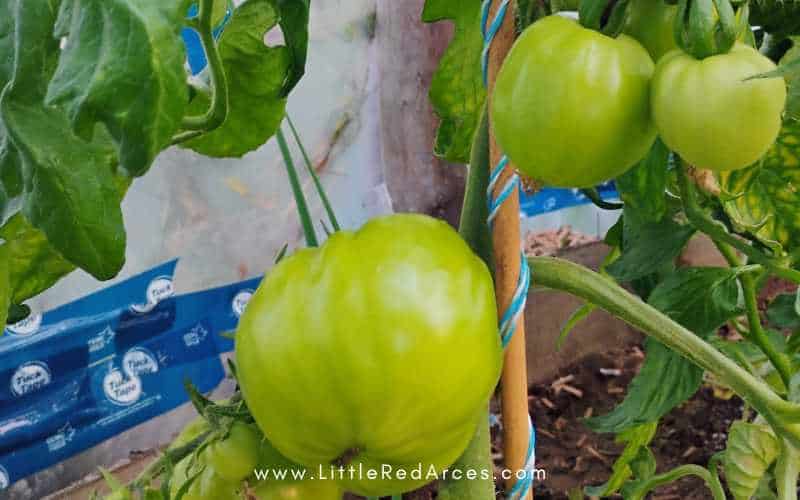
You don't need a large garden to make a difference. Even a few containers of herbs or tomatoes can help you develop gardening skills and give you fresh produce to enjoy.
As you gain experience, you can experiment with more crops, try succession planting, save seeds from suitable open-pollinated varieties, and explore ways to extend your growing season.
If you have more room, a greenhouse can give you additional options for starting seedlings and growing certain crops for longer.
Start with my guide to how to start a garden if you need help planning your first growing space.
Learn to Preserve Food
Growing your own food is one thing. Making that food last beyond the growing season is another.
Food preservation is a valuable homesteading skill because it allows you to save seasonal produce for later instead of trying to eat everything while it's fresh.
There are several ways to preserve food, including freezing, dehydrating, fermenting, pickling, and canning.
Freezing is a simple place to start. You can freeze many fruits and vegetables, herbs, and other ingredients for future meals. I often freeze tomatoes as they ripen so I can make pizza sauce later, rather than waiting for enough tomatoes to ripen at the same time.
I've been working on learning to preserve more of our garden harvest. I've made our favourite mustard pickles and started using a water-bath canner. There are still plenty of recipes I want to try.
The goal is to make preserving food a useful part of your routine, not another overwhelming project.

Learn Practical Skills That Make You More Self-Sufficient
Homesteading involves much more than gardening and raising animals.
Think about the everyday skills that could help you save money, make better use of what you have, and become more comfortable doing things for yourself.
Some useful skills to learn include:
- Cooking meals from scratch.
- Baking bread.
- Planning meals around seasonal ingredients.
- Repairing clothing and household items.
- Composting kitchen scraps and suitable garden waste.
- Saving seeds from appropriate plants.
- Making basic household repairs.
- Learning to mend fences and maintain garden beds.
- Understanding how to store food properly.
- Using leftovers to reduce food waste.
You don't have to learn everything at once. Choose a skill that would make a difference in your household and practice it until it becomes part of your routine.
These skills are valuable whether you live on a farm, in a suburban neighbourhood, or in an apartment.
Make Friends With Other Homesteaders
One of the best things you can do when starting a homestead is connect with people who are already doing it.
Homesteading involves a lot of trial and error. Having someone to ask questions, share ideas with, and talk through problems can make the process easier.
Through our homeschool group, I've met some great, like-minded people. Homesteaders and homeschoolers often have overlapping interests, from gardening and food preservation to raising animals and teaching practical skills.
You can find other homesteaders through local gardening groups, community events, agricultural organizations, online forums, and social media.
Local connections can be particularly helpful because people in your area may understand your growing conditions, climate, and local regulations.
Don't be afraid to ask questions, and don't assume you have to figure everything out by yourself.
You may also discover opportunities to swap seeds, share surplus produce, borrow tools, or learn from someone else's experience.
Just remember that everyone's homestead is different. What works for someone else might not work for your property, budget, or climate.

Be Patient and Give Yourself Time to Learn
Homesteading is a collection of skills that develop over time. You're going to make mistakes, have projects that don't work out, and discover that some things are harder than they looked.
A garden might not produce as much as you hoped. You might spend more than expected on a project. You may discover that you enjoy growing vegetables but don't want the daily responsibility of livestock.
That's all part of the process.
Take note of what works, what doesn't, and what you would change next time. Keep track of planting dates, harvests, expenses, and lessons you've learned so you can make better decisions in the future.
You don't need to become completely self-sufficient to benefit from homesteading. Every skill you develop and every little bit of food you produce can move you closer to your goals.
And remember, your homestead doesn't have to look like anyone else's.
Frequently Asked Questions About Starting a Homestead
Can you start a homestead with no money? You can begin homesteading with very little money by focusing on skills and projects that use what you already have. Cook from scratch, reduce food waste, reuse suitable materials, grow a few plants from seed, or start learning to preserve food. Some projects require an upfront investment, so prioritize what fits your budget.
How much land do you need to start a homestead? There is no minimum amount of land required to begin homesteading. You can start in an apartment with container gardening and practical household skills, or on a larger property with room for gardens and livestock. The amount of land you need depends on your goals, the animals or crops you want, and local regulations.
What should I do first when starting a homestead? Start by deciding what you want to accomplish. If growing food is your priority, plan a small garden. If you want to become more self-sufficient in the kitchen, start cooking from scratch and learning food preservation. Choose one manageable project, learn from it, and build from there.