When to Harvest Chive Flowers for Seeds (Perfect Timing Guide)
Inside: Not sure when to harvest chive flowers for seeds? Learn the exact signs to look for and how to collect chive seeds the easy way.
If you’re growing chives and starting to notice those round purple blooms, you might be wondering: When can I harvest the flowers on my chives for the seeds? You’re not alone—this is one of the most common questions gardeners have once their chives flower. The timing can feel a little tricky, but once you know what to look for, it becomes very simple. Harvest chive flowers for seeds so you can grow your garden for free.
This post may contain affiliate links, see my disclosure policy for more information.
When to Harvest Chive Flowers for Seeds (Perfect Timing Guide)
Let’s walk through exactly when to harvest, what your chive flowers should look like, and how to collect seeds the easy way.
Do Chive Flowers Produce Seeds?
Yes—chive flowers do produce seeds.
After blooming, each chive flower head will eventually dry out and form small black seeds inside. These seeds can be saved and replanted, giving you more chive plants for free. Free is always a win for me!
If you’ve ever wondered what to do with chive flowers, seed saving is one of the best (and easiest) options.
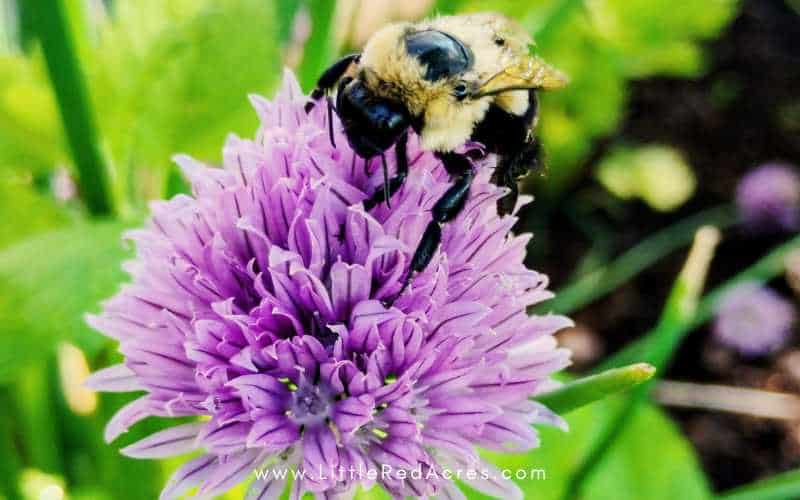
Should I Let Chives Flower?
Before we get into harvesting seeds, it’s worth asking: should you let chives flower at all?
The answer depends on your goal.
- If you want more leaves for cooking → cut the flowers off early
- If you want seeds or pollinator-friendly blooms → let them flower
- If you want to eat the flowers → let them flower
Letting chives flower won’t kill the plant, but it can slow down leaf production. That’s why many gardeners do a mix—harvest some for regrowth and let a few go to seed.
Do Chives Flower First Year?
In many cases, yes—chives can flower in their first year, especially if they are well established or grown from transplants.
However, the flowering tends to be stronger and more reliable in the second year and beyond.
What Your Chive Flowers Should Look Like Before Harvesting
This is where timing really matters.
If you harvest too early, the seeds won’t be mature. If you wait too long, the seeds may drop and scatter into your garden. Which isn't a bad thing if that is where you want more chives and you have the space for them. In my case, I want to add them to other spaces in my yard.
Here’s what to look for:
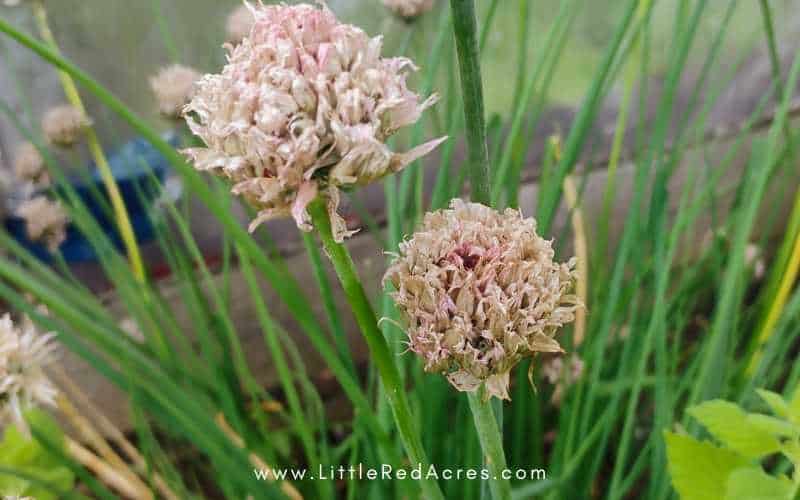
- The flower heads are fading from bright purple to a duller color
- They begin to dry out and feel papery
- The shape starts to loosen or open slightly
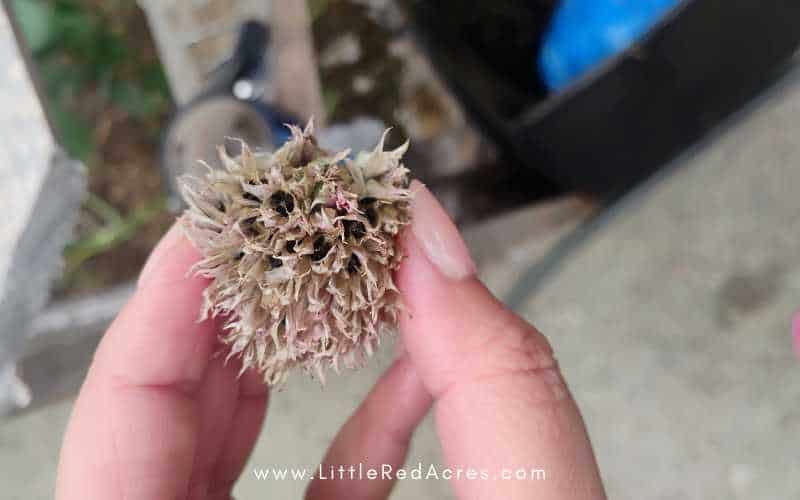
- You can see tiny black seeds forming inside
If your chive plants still have tight, vibrant blooms, they’re not ready yet.
If your chive flowers look dry but still closed up, you’re very close—this is the “almost ready” stage.
The Ideal Time to Harvest Chive Seeds
The best time to harvest the flowers on your chives for the seeds is when:
- The flower head is fully dry
- It starts to open naturally
- Black seeds are visible inside
This is your sweet spot.
If you gently squeeze a flower head and mostly see green or soft material, it needs more time.
Give it a few more days to a week, and you’ll likely hit peak timing.
How to Harvest Chives Seeds (The Easy Way)
Once your chive flowers are ready, harvesting is quick and simple.
Here’s what to do:
- Snip the entire flower head off the plant
- Place it in a paper bag or bowl
- Let it dry indoors for a few more days
- Gently crumble the flower head to release the seeds
You’ll end up with small black seeds that are ready to store or replant.
Pro Tip: Don’t Wait Too Long
If you leave chive flowers on the plant too long, they will eventually split open and drop seeds on their own.
This can lead to surprise chives popping up all over your garden.
Which honestly… isn’t the worst problem to have.
But if you want to control where your chives grow, it’s best to harvest just before the flowers fully open.
What to Do With Chive Flowers (Besides Seeds)
If you have more blooms than you need for seed saving, don’t let them go to waste.
Chive flowers are edible and can be used in a few simple ways:
- Toss them into salads
- Use them as a garnish
- Infuse them into vinegar for a mild onion flavor
They’re a great way to get even more value from your chive plants.
Harvesting Chives for Regrowth
If your main goal is continued leaf production, you’ll want to focus on harvesting chives for regrowth.
Here’s how to cut chives without killing the plant:
- Cut leaves about 1–2 inches above the soil
- Avoid cutting all the leaves at once
- Leave enough growth so the plant can recover
If your chives are very thin, it may be a sign they need:
- More sunlight
- Better soil nutrients
- Or simply more time to establish
Regular harvesting actually encourages fuller, thicker growth over time.
Harvesting chive flowers for seeds is all about timing.
Wait until the flower heads are dry, slightly open, and showing black seeds inside. Then snip, dry, and crumble—it’s that simple.
And if you miss the window?
You’ll likely end up with new chive plants popping up naturally, which isn’t a bad outcome.
Between seed saving, harvesting for regrowth, and enjoying the flowers, chives are one of the easiest and most rewarding herbs you can grow.
And you’re right at the perfect stage to make the most of them.
Frequently Asked Questions About Harvesting Chive Seeds
When should I harvest chive flowers for seeds? You should harvest chive flowers for seeds when the flower heads are dry, papery, and starting to open.
Will chives grow back after harvesting flowers for seeds? Yes—chive plants will continue to grow after flowering and seed harvesting. However, flowering can slow down leaf production for a short time. To encourage regrowth, continue harvesting chives properly by cutting leaves a couple of inches above the soil and leaving some growth behind. The plant will bounce back and keep producing.
How do I harvest chive seeds without losing them? The easiest way to harvest chive seeds is to snip the entire flower head just before it fully opens and drops seeds. Place the heads in a paper bag or bowl and let them dry indoors for a few days. Then gently crumble the dried flowers to release the seeds. This method helps prevent seeds from scattering around your garden.

Want More?
Everything You Should Know Before Starting Herbs from Seeds
Growing Garlic on a Homestead: How to Plant, Harvest, and Store Garlic for Your Family
Why Are Mushrooms Growing in My Raised Garden Bed? (Good Sign!)