Spring Garden Planning for Beginners: A Simple, Stress-Free Guide
Inside: Spring garden planning for beginners made easy. Learn layouts, soil prep, planting tips, and how to start a simple backyard garden.
Spring has a way of making gardeners feel both excited and overwhelmed—especially if you’re new. If you’ve ever wondered how to start planning a garden without feeling like you need a degree in horticulture, you’re in the right place. This guide to spring garden planning for beginners walks you through everything step by step—from winter garden preparation for spring to choosing layouts, preparing soil, and deciding what to plant.

This post may contain affiliate links, see my disclosure policy for more information.
Spring Garden Planning for Beginners: A Simple, Stress-Free Guide
Whether you want a small backyard vegetable garden, flower beds, or a mix of both, this article will help you start confidently and realistically.
Why Spring Garden Planning Matters
A little planning now saves a lot of frustration later. Not only frustration when you go to buy plants or when you put them in the ground, but also when you start harvesting. Everything boils down to your garden in the spring, and whether or not you planned it, or you're just winging it.
When beginners skip spring gardening prep, they often deal with:
- Plants spaced too closely
- Poor soil drainage or nutrient issues
- Crops planted at the wrong time
- Gardens that are hard to maintain
Good garden planning for beginners helps you:
- Use your space wisely
- Choose the right plants for your climate
- Reduce weeds and pests
- Create a garden you’ll actually enjoy caring for
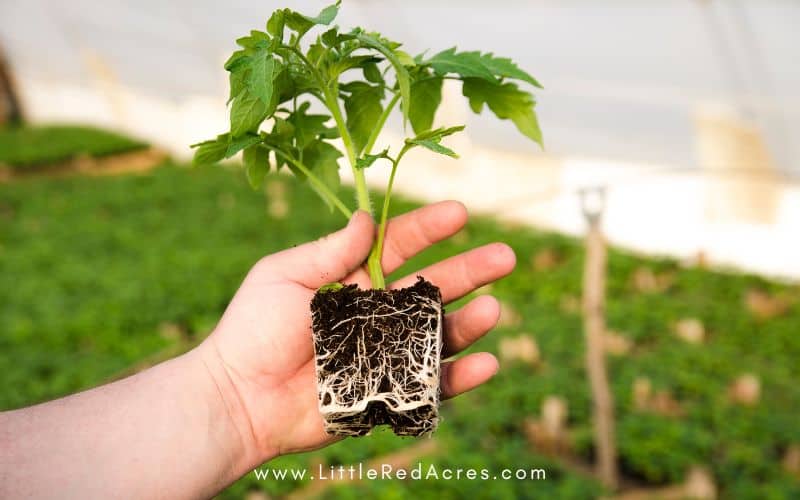
Winter Garden Preparation for Spring (Yes, It Still Counts)
Even before spring officially arrives, there’s quiet spring garden work you can do.
What to Do in Late Winter
- Review what worked (and didn’t) last year
- Sketch out rough garden layout ideas
- Order seeds early
- Clean and organize tools
- Test your soil
This early spring garden planning for beginners checklist step helps you avoid rushing once planting time hits.
Step 1: Decide What Kind of Garden You Want
Before you buy seeds or plants, decide what your goals are. Don't just buy because it looks pretty on the package. You need to know more than pretty, how long it takes to germinate, and how long it takes till you can harvest.
Ask yourself:
- Do I want a vegetable garden at home, flowers, or both?
- How much time can I realistically commit each week?
- Am I gardening for food, beauty, or a mix of both?
Common Beginner Garden Types
- Backyard vegetable garden (most popular for beginners)
- Flower garden beds
- Raised beds
- Container gardens
- Mixed vegetable and flower gardens
Being honest here helps prevent burnout and frustration over a failed garden.
Step 2: Choose the Right Garden Location
No matter how beautiful your garden design looks on paper, location and practicality matter more.
What to Look For
- 6–8 hours of sunlight (especially for vegetables)
- Good drainage
- Easy access to water
- Close enough that you’ll actually check on it
This applies whether you’re planning a small vegetable garden layout for beginners or a larger backyard space.
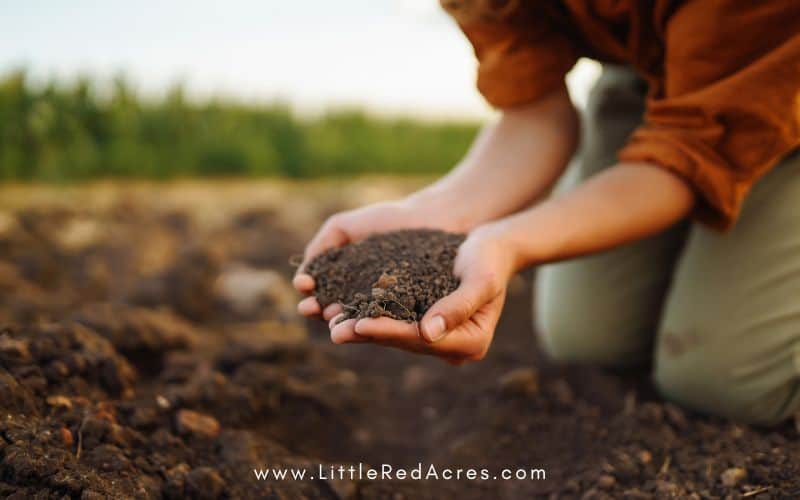
Step 3: Spring Soil Preparation (This Is Non-Negotiable)
Healthy soil = healthy plants.
Proper spring soil preparation is one of the most important parts of spring garden planning for beginners.
How to Prep Your Soil
- Remove weeds and debris
- Loosen soil (don’t over-till)
- Add compost or aged manure
- Check drainage
- Adjust soil pH if needed
Good soil supports strong roots and reduces pest and disease issues later.
Step 4: Vegetable Garden Planning for Beginners
If you’re wondering how to start a vegetable garden in your backyard, this is where things get fun.
Start Small (Seriously)
One of the biggest beginner mistakes is planting too much.
A vegetable garden for beginners should focus on:
- Easy crops
- Foods you actually eat
- Manageable space
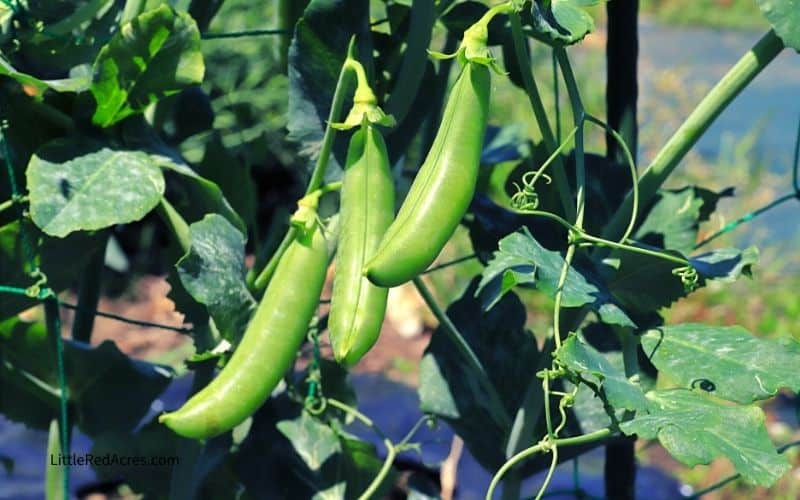
Beginner-Friendly Vegetables
These work well in most vegetable garden layout ideas for beginners.
Step 5: Vegetable Garden Layout Plans and Spacing
Plant spacing matters more than you think.
Poor spacing leads to:
- Reduced airflow
- Increased disease
- Lower yields
Popular Garden Layout Options
1. Row Gardens
- Simple and traditional
- Easy for beginners
- Great for larger spaces
2. Raised Bed Layouts
- Excellent drainage
- Easy to manage
- Ideal for backyard vegetable garden layout planning
3. Square Foot Gardening
- Perfect for small spaces
- Clear spacing guidelines
- Beginner-friendly
These vegetable garden layout plans and spacing methods help maximize harvests while keeping maintenance reasonable.

Step 6: Flower Garden Plans for Beginners
Flowers aren’t just pretty—they attract pollinators and beneficial insects.
Flowers to Plant in Spring
- Marigolds
- Zinnias
- Calendula
- Cosmos
- Sunflowers
These flowers are low-maintenance and work beautifully in flower garden plans for beginners.
Perennial Garden Plans for Beginners
Perennials come back year after year.
Good beginner perennials include:
- Coneflowers
- Black-eyed Susans
- Lavender
- Daylilies
Including perennials reduces future workload and adds structure to your garden.

Step 7: Beautiful Vegetable Garden Designs (Yes, You Can Have Both)
Vegetables don’t have to look messy.
Some beautiful vegetable garden designs include:
- Mixing flowers with vegetables
- Using consistent bed shapes
- Adding mulch for a clean look
- Keeping paths defined
A thoughtful garden layout for beginners can be both productive and visually appealing.
Step 8: Use a Garden Planner for Beginners
If layouts feel overwhelming, a garden planner for beginners can help.
Free Vegetable Garden Planning for Beginners Tools
- Printable graph paper layouts
- Online garden planners
- Simple n
Frequently Asked Questions for Garden Planning for Beginners
What is a common garden mistake? Not knowing the composition or texture of your soil.
What causes most damage in gardens? More often than not, brown leaves, dieback, wilting, and leaf drop are caused by weather damage, such as drought, waterlogging, snow, frost or hail.
What is the most common pest in the garden? The most common garden pests include aphids, slugs and snails, whiteflies, caterpillars, beetles, and spider mites.
Want More?
10 Biggest Beginner Gardening Mistakes to Avoid
Spring Garden Planning Guide for Your Vegetable Garden
Common Herb Gardening Mistakes Most of Us Have Made