How to Use Apple Cider Vinegar for Chickens
Inside: Learn how giving apple cider vinegar to chickens can improve their digestion, boost their immune system, and prevent parasites.
If you're a homesteader or backyard chicken keeper, you’re probably always on the lookout for natural, affordable ways to boost your flock’s health. One of the best ways to support your chickens—especially during seasonal transitions or the winter months—is by adding apple cider vinegar (ACV) to their drinking water.

This post may contain affiliate links, see my disclosure policy for more information.
How to Use Apple Cider Vinegar for Chickens
Whether you're using store-bought apple cider vinegar or making your own homemade cider from fresh apples, this simple addition can make a big difference.
Why Apple Cider Vinegar?
Apple cider vinegar has long been used in natural remedies, and it brings a host of benefits to poultry care. With antimicrobial properties, essential nutrients, and gut-supporting acids, ACV is a great way to promote better health in your chickens naturally.
Get updates & freebies delivered to your inbox!
Benefits of Apple Cider Vinegar for Chickens
Improved Digestion
ACV helps balance the pH in a chicken’s crop, encouraging proper digestion. This is particularly important during times when your chickens are foraging more or consuming varied diets—like leftover apple peels or cooked apples from your homemade applesauce or cider batches.
A properly balanced crop can prevent issues like sour crop, a common problem in backyard flocks that can result from fermenting food sitting in the digestive tract.

Boosted Immune System
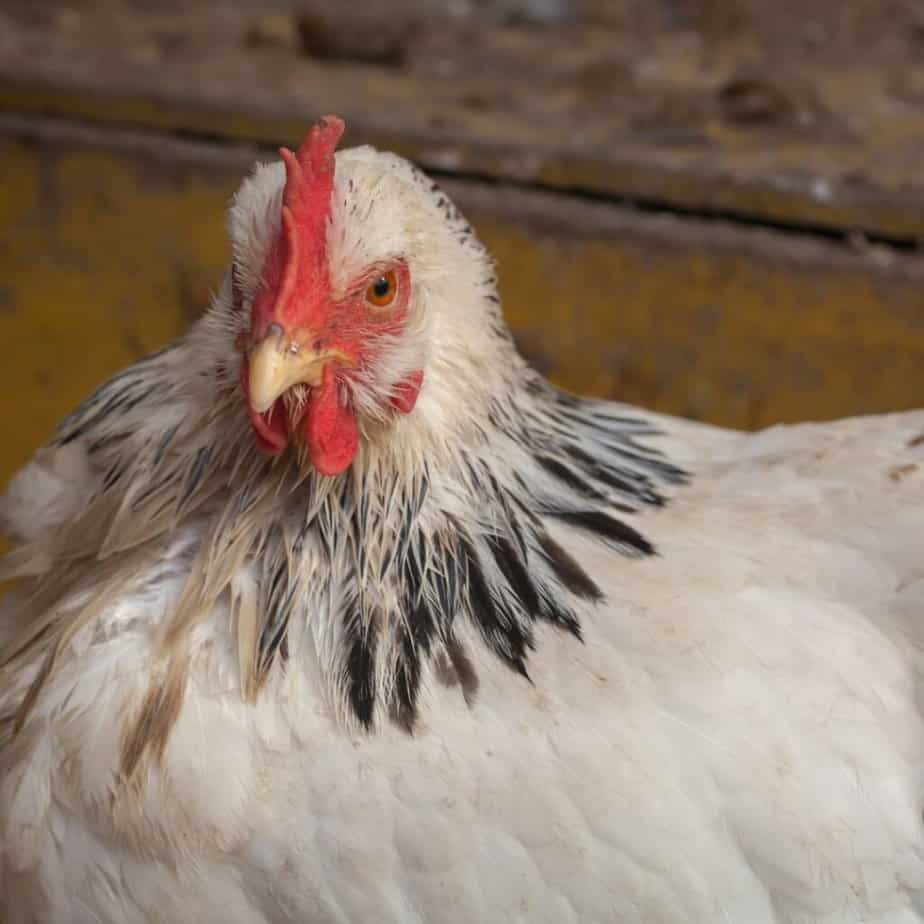
Apple cider vinegar contains minerals such as potassium, magnesium, and iron, which contribute to a strong immune system. The acetic acid in ACV helps inhibit the growth of harmful bacteria, acting as a natural antimicrobial agent—perfect for keeping your birds resilient, especially when temperatures drop and diseases tend to spread.
Feather Health
ACV supports feather strength and shine. It contains amino acids and can help prevent external parasites. Some homesteaders even use diluted ACV in a spray bottle for a natural mite and lice treatment, or add it to the coop cleaning routine for a fresh apple scent.
Hydration Support
Especially in the hotter months or after high heat exposure, chickens may not drink enough water. The tangy taste of ACV can encourage more frequent drinking, ensuring they stay hydrated. Think of it like their version of a refreshing cup of hot cider—but chilled.
Healthy Egg Production
By supporting gut health, hydration, and overall wellness, ACV plays a role in consistent and high-quality egg production. Chickens under stress, such as after introducing new chicks or during molting, may benefit from a boost that supports their laying cycle.
How to Use Apple Cider Vinegar for Chickens
Dosage: The general recommendation is 1 tablespoon of apple cider vinegar per 1 gallon of water. Always use raw, unfiltered ACV with the “mother” (the beneficial bacteria and enzymes), whether you purchase it from the grocery store or make your own.
Frequency: Offer ACV water 2–3 times per week, but not daily. Long-term use can sometimes erode metal waterers, so opt for plastic or glass containers.
Can You Use Homemade Apple Cider for Chickens?
If you make your own homemade apple cider, especially the non-alcoholic version using fresh apples like Granny Smith, Pink Lady, or Golden Delicious, it can be used to make your own vinegar. Letting the sweet cider ferment naturally over several weeks produces true apple cider vinegar.
You can even experiment with a mix of sweet apples and tart apples to find your favorite apple cider taste. Add whole spices like whole cloves, whole cinnamon sticks, or allspice berries to add warmth to your cider before turning it to vinegar—though be sure to strain them out using a fine mesh strainer or cheesecloth before offering it to your chickens.
Once fully fermented, store your homemade vinegar in sealable glass jars or an airtight container. It's a great way to reduce waste if you have extra apples during apple season or after a visit to the apple orchard.

Caution and Best Practices
- Do not use metal waterers when using ACV—it can cause corrosion.
- Do not give vinegar to very young chicks every day. It's okay to offer it occasionally, but their developing systems need a more neutral pH.
- Avoid giving hard cider (alcoholic) or store-bought apple juice with additives to your chickens. Stick with vinegar or raw, homemade cider turned to vinegar.
Adding a splash of apple cider vinegar to your chicken’s water is a great way to support your flock’s health naturally. Whether you're using leftover cider from your fall activities, creating your own apple cider vinegar with a large stockpot, or picking up a bottle from the store, your chickens can enjoy the benefits year-round.
Next time you're making delicious homemade apple cider, consider setting aside a batch for vinegar-making. It's one of the best ways to make use of your fresh fruit, and your chickens will thank you with bright eyes, fluffy feathers, and perhaps even a perfect egg or two.
Frequently Asked Questions
How much apple cider vinegar per Litre of water for chickens? Apple cider vinegar for chickens needs to be diluted with water to make a tonic. The dilution rate is 2% into chicken's drinking water; in other words, 20ml per litre. Store your apple cider vinegar out of sunlight to keep the goodness.
Can you spray apple cider vinegar on chickens for mites? Bathing chickens in vinegar will only inflame already sore and irritated skin.

Want More?
Increase Egg Production in Chickens: A Guide to Maximum Yield
Deworm Chickens Naturally: Effective Methods for Parasite Control
Caring for Ailing Hens: Effective Home Remedies for Sick Chickens