Guide to Raising Quail: Tips for Beginners Raising Quail for Eggs, Meat, or Profit
Inside: The ultimate guide to raising quail and unlock the secrets to successfully raising these fascinating birds. Get started today!
When you start raising animals on your homestead, it’s natural to do your research first. For us, raising quail wasn’t even on the radar until we stumbled across a few key benefits that made Coturnix quail a perfect fit. If you're considering adding birds to your backyard setup, quail might just be your best option.
Guide to Raising Quail: Tips for Beginners Raising Quail for Eggs, Meat, or Profit
This post may contain affiliate links, see my disclosure policy for more information.
Whether you're raising quail for eggs, meat, or even as a self-sustaining business, these small birds offer a lot in return for very little space and maintenance.
Why We Chose to Raise Quail
We originally chose to raise quail because of their quick maturity and egg-laying schedule. We weren’t sure where we’d be in a year, and raising quail fit our uncertain timeline perfectly. Compared to chickens, quail reach maturity faster, lay sooner, and take up less space—all big wins on a small homestead.
Advantages of Raising Quail
Quail Are Easy to Raise
Are quails easy to raise? Absolutely. They are small, quiet, and hardy birds that adapt well to various environments. If you’re short on space or just starting out, raising quail for beginners is one of the most approachable ways to get started with poultry.
Quail are also ideal for raising indoors or outdoors, depending on your setup.
Small Space, Small Footprint
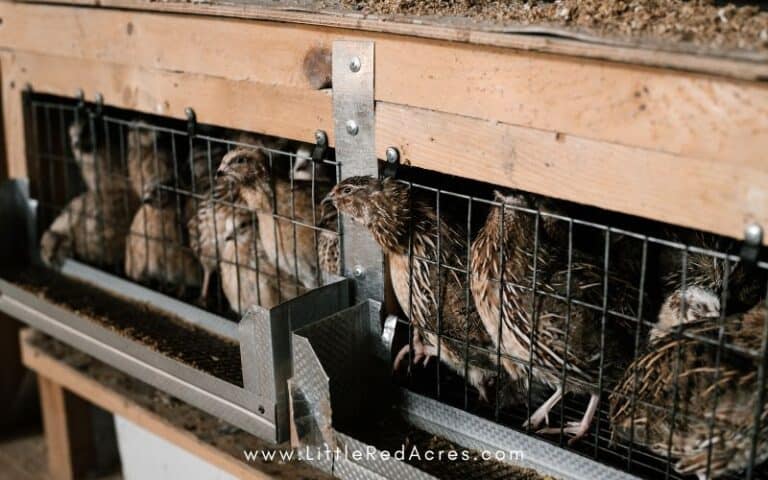
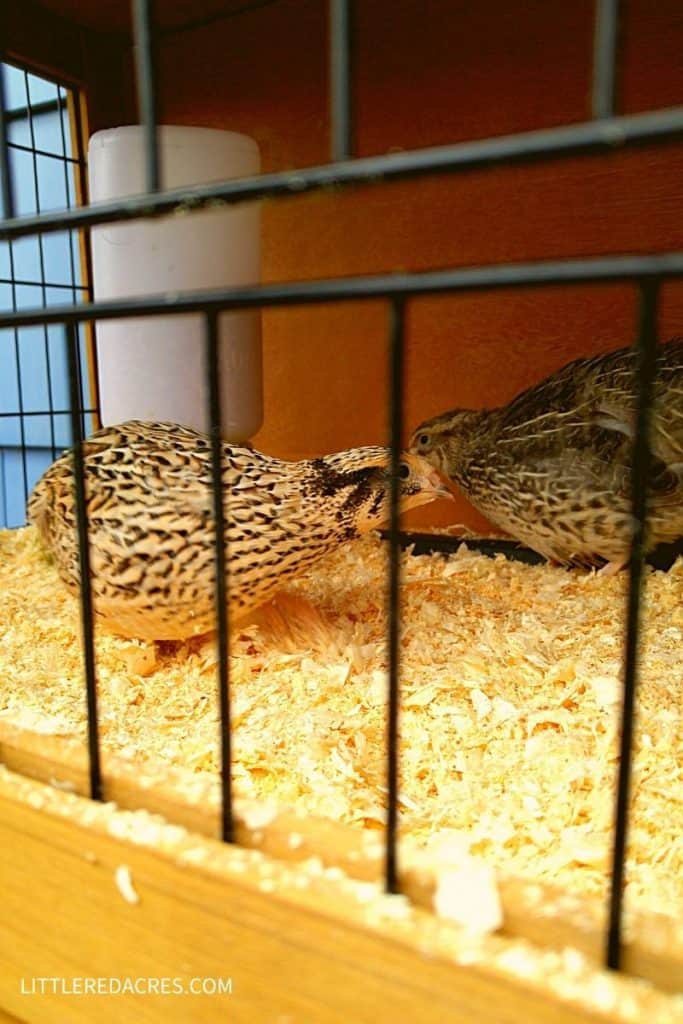
Raising quail in your backyard doesn’t require a big coop or expensive setup. A simple quail hutch, rabbit hutch, or stacked cages can work well. We keep ours in a double rabbit hutch: males on the bottom and females (plus one male) on top.
They only need around 0.5 to 1 square foot per bird, making them ideal for those with limited space.
Low Maintenance Birds
Quail don’t need much in the way of upkeep. Their small size means less food, less mess, and smaller coops. A wire-bottom cage with a roll-away egg tray can reduce cleaning time significantly.
Just be sure to include a dust bath area in their enclosure—quail use this to stay clean and manage parasites.
Hardy and Cold Tolerant
Quail are surprisingly hardy, especially breeds like Coturnix. We’ve raised them through Canadian winters without heat lamps. Though they often ignore the shelter we provide and hunker down in storms, we throw a tarp over their cage to protect against snow and rain.
Note: Expect lower egg production during winter due to reduced daylight hours.
Quail Eggs and Meat Are Nutritious
One of the best reasons for raising quail for eggs and meat is their nutritional value. Quail eggs contain more protein and vitamins than chicken eggs and are considered a delicacy in many cultures.
Quail meat is also richer in vitamin C, iron, and vitamin A compared to chicken, with more amino acids and minerals. If you're looking for a healthier alternative to store-bought poultry, quail is a great choice.
High Demand for Quail Products
From farm-to-table restaurants to backyard hobbyists, the demand for quail products is growing. Raising quail for sale—whether eggs, chicks, or meat—is a great way to earn extra income on your homestead.
Fertile eggs and quail chicks are especially popular as more people look into how to raise quails at home.
Quail Farming as a Business
Raising quail for profit is achievable even on a small scale. Coturnix quail start laying around 6 weeks of age, sometimes even earlier. This means you can start collecting eggs or selling chicks just weeks after hatching.
We started getting eggs at 5 weeks from three of our females, and by 6 weeks our fourth female was laying as well. With a solid setup and good nutrition, you can scale up quickly.
Business Tips:
- Sell fresh eggs locally or at markets.
- Incubate fertile eggs and sell chicks.
- Package and freeze quail meat for resale.
- Offer hatching eggs online.

Quail on the Homestead
Whether you’re looking to add a reliable egg layer to your homestead or raise a tasty meat bird in a small space, Coturnix quail are the perfect fit—and this ebook will show you how to get started and thrive. Packed with practical tips and firsthand insights, this guide walks you through every stage of raising Coturnix quail with confidence.
Raising Quail vs. Chickens: Key Differences
While chickens are common on homesteads, quail offer unique benefits:
| Feature | Quail | Chickens |
|---|---|---|
| Space Needed | Small cages/hutches (0.5-1 sq ft) | Larger coops and runs |
| Egg Production | 200–300 eggs/year | 250–320 eggs/year |
| Time to Maturity | 6 weeks | 18–24 weeks |
| Noise Level | Quiet | Louder |
| Meat Quality | Lean, nutrient-dense | Mild flavor, less iron/vit C |
| Indoor Friendly | Yes | Not ideal |
Raising quail vs chickens really comes down to your space, noise tolerance, and goals. Quail are especially great for urban homesteads or renters looking for short-term livestock projects.
Tips for Raising Quail for Beginners
Here are some quick beginner-friendly quail keeping tips:
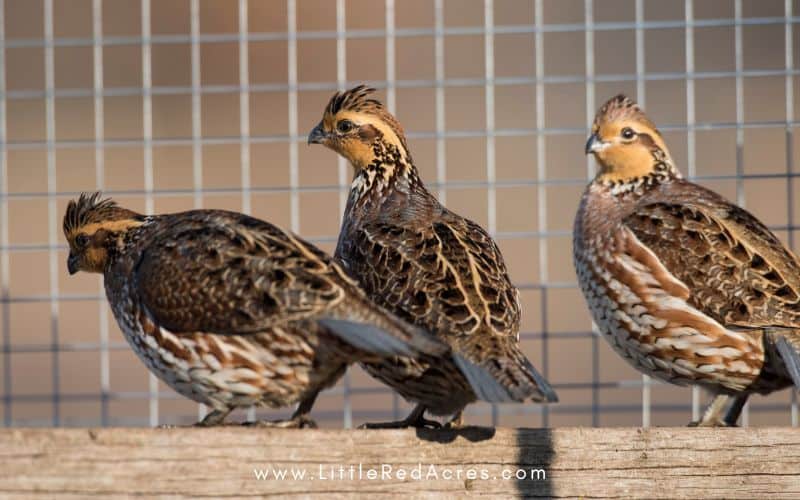
- Start with Coturnix quail – easy to care for and great egg layers.
- Use a quail-specific feed or high-protein game bird feed (20-24% protein).
- Keep males and females separate unless breeding.
- Provide clean water daily and check for freezing in winter.
- Offer hiding spaces for comfort and egg laying.
- Keep predators out with secure cages or hutches.
- Use supplemental lighting during winter to encourage egg production.
- Collect eggs daily to reduce the chance of them being broken or soiled.
Raising Quail Indoors or in Small Backyards
If outdoor space is limited or you're in an urban area, raising quail indoors is possible with the right ventilation, lighting, and cleaning routine. Stackable cages or quail “condos” are popular solutions.
Backyard quail farming is also great for small homesteads. Just be sure to check local bylaws before bringing them home.
Disadvantages of Quail Farming
While quail are easy to raise, they’re not without downsides:
- Flighty behavior – they spook easily and may escape.
- Short lifespan – typically 2 to 4 years.
- Egg fragility – shells are more delicate than chicken eggs.
- Limited bonding – they don’t tend to become pets like chickens.
- Small egg size – you’ll need more quail eggs for recipes.
But overall, the pros of raising quail far outweigh the cons—especially for those short on space or looking for a quick return.
Whether you’re interested in raising quail for meat, eggs, or profit—or simply curious about starting small livestock—quail are a fantastic addition to your backyard homestead.
They’re low-maintenance, space-saving, and productive little birds that offer a lot in return for minimal investment.
If you're ready to learn how to raise quails step-by-step, download my [Coturnix Quail eBook here], filled with in-depth tips on care, housing, feeding, hatching, and more.
Frequently Asked Questions
How many quails should I start with? 5 is a perfect number for a beginner quail-keeper to start with. Four hens and a rooster, if you want fertilized eggs.
How much room do quail need? During the 4-6 week period the birds need at least . 25 square foot per bird and at 6-12 weeks of age the birds need at least . 75 square foot per bird.
How long does it take for a quail to grow full? Quail are full-grown at six weeks!

Want More?
How and What to Feed Coturnix Quail
How to Take Care of a Baby Quail
How To on Raising Healthy Quail