Best Way to Clean Fresh Chicken Eggs
Inside: Nothing beats a fresh, clean egg straight from the coop. Learn how to ensure your eggs are as safe and delicious as possible.
Washing fresh eggs is one of those chicken-keeping topics that can get people surprisingly fired up. Some people wash every egg as soon as they collect it, while others avoid washing them unless absolutely necessary. But it's still easy to clean fresh chicken eggs.

This post may contain affiliate links, see my disclosure policy for more information.
Best Way to Clean Fresh Chicken Eggs
The truth is, not every fresh chicken egg needs to be washed.
If your hens have clean nesting boxes and you collect eggs regularly, many eggs will come out of the nest box clean enough to go straight into your egg carton. But chickens are chickens, and sometimes an egg gets dirty. Maybe a hen kicked bedding onto it, an egg rolled through a wet spot, or someone left you a little “gift” on the shell.
When that happens, you need to know the best way to clean fresh chicken eggs without making the situation worse.
Get updates & freebies delivered to your inbox!
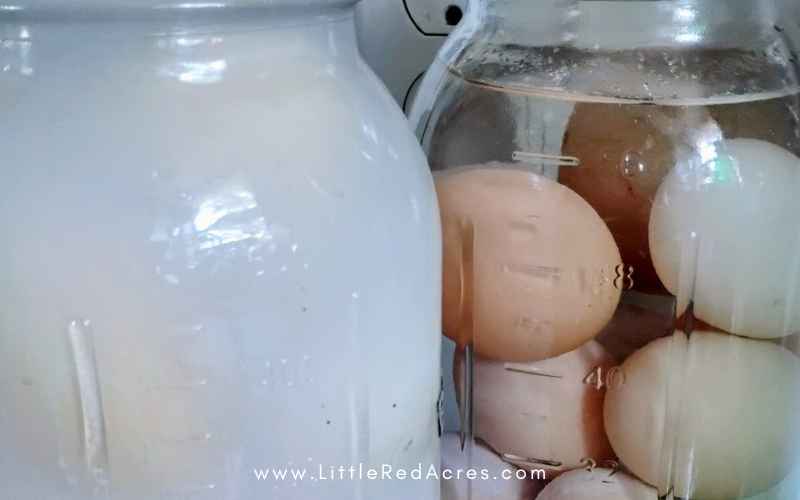
First, it’s crucial never to wash your eggs in cold water…ever. Why?
When an egg is submerged in cold water, and the insides are warmer than the water, the pores open and pull bacteria in from the outside. So, now that the bloom is gone, the bacteria can easily pass into the portion of the egg you plan to consume.
Do You Need to Wash Fresh Chicken Eggs?
If an egg is clean when you collect it, there is generally no reason to wash it just because it came from the chicken coop.
Freshly laid eggs have a natural protective coating called the bloom (also called the cuticle). This coating helps protect the porous eggshell from bacteria and moisture.
Washing an otherwise clean egg removes some or all of that natural coating, which is why many backyard chicken keepers prefer to leave clean eggs unwashed.
But that doesn't mean you should toss a filthy egg just because you don't want to wash it.
If an egg is covered in chicken poop, mud, dirty water, or other debris, cleaning it is the more practical choice. You don't want to put a heavily soiled egg in with your clean eggs, and you definitely don't want fecal matter getting onto the contents of the egg when you crack it.

The Best Way to Clean Fresh Chicken Eggs
The most important thing to remember when cleaning fresh eggs is don't soak them in cold water.
Eggshells are porous, and the temperature difference between a cold cleaning solution and the warmer egg can encourage bacteria and contaminated water to move through the shell.
Instead, use water that is warmer than the egg and clean the egg gently.
For a lightly dirty egg:
- Hold the egg under warm running water.
- Gently rub away the dirt with your fingers or a clean, dedicated egg-washing brush.
- Don't scrub aggressively or try to remove every tiny mark.
- Rinse the egg if necessary.
- Dry it thoroughly with a clean towel or paper towel.
- Refrigerate the cleaned egg.
For eggs with heavier contamination, I would rather clean them properly than try to preserve the bloom at all costs.
What About Dry Cleaning Fresh Eggs?
If an egg only has a little bit of dry dirt or bedding stuck to the shell, you can sometimes dry clean it instead of washing it.
A gentle rub with a clean, dry cloth or dedicated egg-cleaning pad can remove small amounts of debris without completely washing the shell.
Just don't get carried away with scrubbing. The goal is to remove the obvious mess, not make every egg look like it came from the grocery store.
And if an egg is heavily soiled, especially with feces, I would wash it rather than trying to scrub it clean while dry.
Should You Wash Eggs Right After Collecting Them?
Not necessarily.
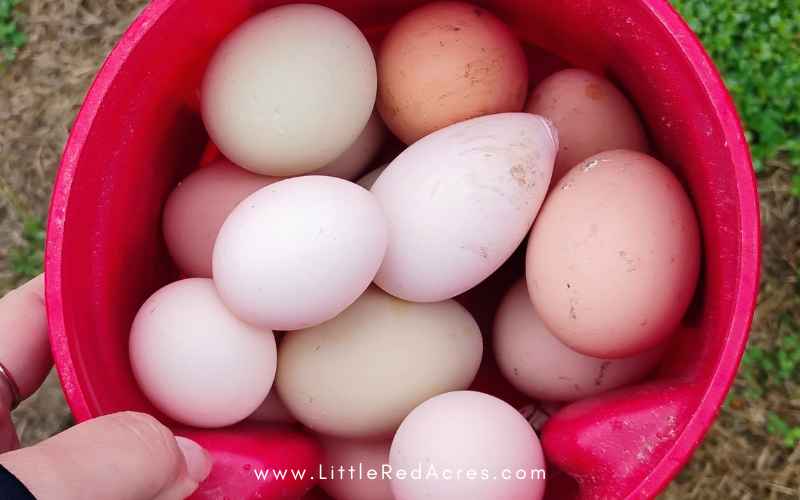
If your eggs are clean, there is no need to wash them immediately after collecting them.
If an egg is dirty, however, don't put it into your clean egg collection and forget about it. Set it aside and clean it appropriately.
One of the easiest ways to have cleaner eggs in the first place is to focus on clean nesting boxes and regular egg collection. Prevention is a lot easier than trying to clean a dozen eggs covered in chicken poop.
What Should You Do With Really Dirty Eggs?
Sometimes you collect an egg and immediately wonder, What happened here?!
If an egg is heavily covered in manure, mud, or other contamination, clean it separately from your other eggs.
If the shell is cracked, leaking, or badly damaged, I would not try to save it. Cracks can give bacteria an easy path into the egg.
And if an egg is so heavily contaminated that you're uncomfortable handling or eating it, it's okay to throw it away. Not every egg needs to be rescued.
How to Keep Chicken Eggs Cleaner
The easiest way to deal with dirty eggs is to prevent them whenever possible.
A few simple habits can make a huge difference:
- Keep nesting boxes clean and dry.
- Give your hens plenty of clean nesting material.
- Collect eggs regularly.
- Discourage hens from sleeping in the nesting boxes.
- Make sure your chickens have clean, dry areas to spend time in.
- Remove obviously dirty bedding from the nest boxes regularly.
- Keep an eye on hens that are laying unusually dirty eggs.
You won't prevent every dirty egg. Chickens have a remarkable ability to turn a perfectly clean nesting box into a disaster zone.
But keeping the coop and nesting boxes clean will go a long way toward giving you cleaner eggs to begin with.
Frequently Asked Questions About Cleaning Chicken Eggs
Should you wash freshly laid chicken eggs? The short answer is “No”. Eggs are laid with a natural coating on the shell called the “bloom”. This coating is the first line of defense in keeping air and bacteria out of the egg.
Can chicken eggs be cleaned before incubation? Keep only clean eggs for hatching. Do not wash dirty eggs or wipe eggs clean with a damp cloth. This removes the egg's protective coating and exposes it to entry of disease organisms.

Want More?
Does Raising Chickens Save Money?
How to Collect, Clean, and Store Chicken Eggs