What Not to Feed Chickens (and What They Can Eat Instead)
Inside: Learn what not to feed chickens and what foods are safe. Keep your flock healthy with this simple guide to chicken-safe scraps and treats.
Chickens will eat just about anything you offer them. Much like us, they each have their own likes and dislikes — for instance, my chickens won’t touch carrots. But while they’re not picky eaters, there are some foods on the what not to feed chickens list that are important to avoid.
This post may contain affiliate links, see my disclosure policy for more information.
What Not to Feed Chickens (and What They Can Eat Instead)
Sharing your kitchen scraps and leftovers with your flock is a great way to vary their diet, especially in the winter when there’s less grass and fewer bugs to forage. Chickens love seeds, grains, greens, grass, vegetables, fruits, nuts, kitchen scraps, worms, herbs, and bugs.
Feeding your flock from a variety of food sources can save money and even improve the nutrition in your eggs — but you’ll want to know which foods are safe and which are not.
What Can Chickens Eat?
Before we dive into the “no” list, it helps to know what’s perfectly fine to feed. Chickens can eat many common foods, including:
- Cooked rice and pasta
- Fresh vegetables like lettuce, kale, cucumbers, and peas
- Most fruits (in moderation) like apples, berries, melon, and bananas
- Grains, seeds, oats, and cracked corn
- Cooked eggs and mealworms for extra protein
If you’ve ever wondered “can chickens eat bananas?” — the short answer is yes, or “can chickens eat tomatoes?” — the short answer is no. Bananas are perfectly safe in small amounts, while tomatoes and any parts of the tomato plant, can be toxic.
What Not to Feed Chickens
While chickens are smart foragers and usually avoid harmful plants, it’s best not to rely on instincts alone. Here’s a list of foods not to feed chickens:
- Avocados – especially the pit and peel, which contain persin, a toxin harmful to birds.
- Chocolate or candy – the caffeine and theobromine can be deadly.
- Citrus fruits – can cause digestive upset and affect calcium absorption.
- Green potato skins – contain solanine, which is toxic to chickens.
- Dry beans – raw or undercooked beans contain hemagglutinin, which can be fatal.
- Junk food – chips, cookies, or fast food contain too much fat, salt, and preservatives.
- Moldy or rotten foods – these can cause serious illness or death.
- High-salt foods – chickens can’t process salt like humans can.
- Onions – large amounts can cause anemia in poultry.
- Coffee grounds or tea leaves – contain caffeine and other compounds unsafe for chickens.
- Raw rice or beans – raw rice can swell in their crops, and raw beans are toxic.
- Spinach or rhubarb leaves – both can interfere with calcium absorption.
- Tomato and eggplant leaves – contain solanine and should be avoided.
- Raw eggs – can encourage egg-eating behavior in your flock.
Can Chickens Eat Kitchen Scraps?
Many homesteaders love giving their chickens kitchen scraps — and that’s great! Chickens can safely eat most leftovers like cooked vegetables, fruit peels, grains, and bread in moderation.
If you’re wondering “can chickens eat bread?” — yes, but only as an occasional treat since it’s low in nutrition. Similarly, “can chickens eat rice?” — yes, as long as it’s cooked and unseasoned.
But be cautious during the colder months. Some people ask, “what not to feed chickens in the winter?” The same rules apply, but since your flock needs extra energy to stay warm, focus more on high-protein and high-energy foods like cracked corn, sunflower seeds, and warm mash rather than leftover junk food.
What Scraps Not to Feed Chickens
Even though your flock might seem willing to eat anything, some scraps just aren’t safe.
Avoid giving them:
- Moldy or spoiled leftovers
- Anything too salty or sugary
- Foods cooked with oils or butter
- Processed or seasoned meats
- Citrus peels or fruit rinds
Keep the what scraps can chickens eat list limited to healthy, whole-food options — your flock and your egg basket will thank you!
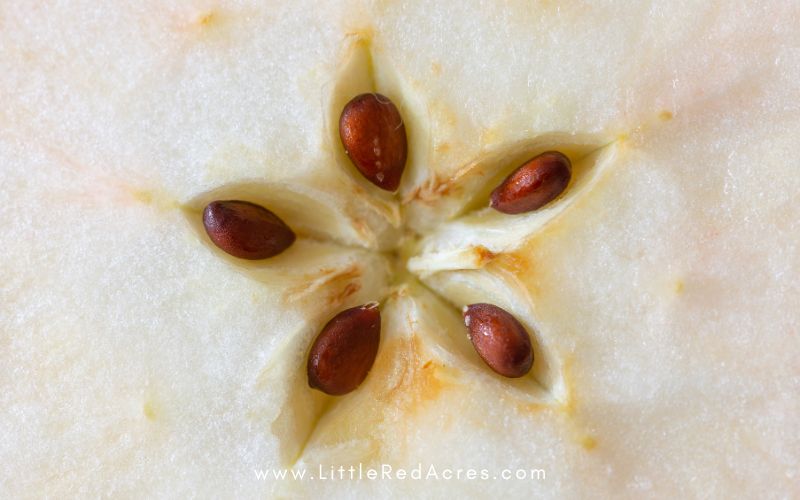
A Note About Apple Seeds
You’ll often see apple seeds listed as something not to give chickens because they contain small amounts of cyanide. When we first started feeding our flock, we avoided apple cores completely — but that didn’t last long!
Our chickens have been eating apple cores for years without a single issue. It’s possible that they simply don’t eat the seeds, or that the small amount they ingest isn’t harmful in moderation. Either way, use your own judgment — if you’re unsure, you can always remove the seeds first.
Your flock’s diet plays a huge role in their overall health, egg production, and happiness.
While it’s fun to share scraps and treats, always make sure they’re safe. When in doubt, stick to natural foods like grains, greens, and cooked vegetables.
A well-fed chicken is a healthy, happy chicken — and that means better eggs and a thriving homestead.
Frequently Asked Questions About What NOT to Feed Chickens
Can chickens eat rice? Yes, chickens can eat rice, especially cooked rice, which is safe and can provide energy as a treat.
Can chickens eat oatmeal? Yes, chickens can eat oatmeal in moderation, especially as a warm, nutrient-rich treat during cold weather to provide warmth and essential vitamins and minerals like magnesium, zinc, and B vitamins.

Want More?
Why You Need to Soak Chicken Feed
Guide on How Feed Chickens for A Healthy Flock