Homesteading on Less Land: What Can You Do on Less Land?
Inside: Homesteading on less land made simple with tips for small gardens, perennial plants, food storage crops, and intentional livestock use.
When we first started homesteading, we wanted to grow everything. All the vegetables. All the herbs. All the animals. It didn’t take long to realize that approach was exhausting, expensive, and not actually saving us money. If you’re working with limited land, the goal isn’t to do more — it’s to do what makes the most sense for your family, your climate, and your grocery bill.

This post may contain affiliate links, see my disclosure policy for more information.
Homesteading on Less Land: What Can You Do on Less Land?
Little Red Acres is about life on a half-acre of land. I'm all about living our best homestead life on less than an acre of land. We do what we can and love it.
Start With What You Actually Eat (and What’s Expensive)
Before planting anything, ask yourself two simple questions:
- Do we eat this regularly?
- Is it expensive where we live?
Love fresh herbs, berries, salad greens, and bell peppers? Those items are pricey, especially when you buy them often. So we focused on growing those first.
On the other hand, tomatoes, squash, and beans are relatively affordable locally. Instead of dedicating a lot of space to them, you may want to grow a little when we can, or buy in bulk from farmers' markets and preserve them.
Growing what’s costly for you is one of the fastest ways to see real savings from a small garden.

Prioritize Perennials Whenever Possible
Perennials are a huge win on small land because you plant once and harvest for years.
Some great things to grow include:
- Strawberries
- Raspberries
- Blackberries
- Chives
- Rhubarb
- Perennial herbs
These come back every year with very little effort, which saves money and time.
You can also grow chamomile and mint for tea. Chamomile isn’t technically perennial, but it reseeds so easily that it returns every year without any work from us — which is just as good in my book. Mint on the other hand – watch where and how you plant it. It will take over everything.
If you’re short on space, perennials give you the biggest long-term return.

Accept That You Can’t Grow Everything (and That’s Okay)
One of our biggest mindset shifts was realizing we were spending time and money growing things that were cheaper to buy than to grow — while skipping items that could have saved us the most.
Less land forces you to be selective, and that’s a good thing.
Focus on:
- High-value crops
- Foods you love
- Crops that store well or preserve easily
Let go of the rest.

Grow Crops That Store Well
When space is limited, storage crops give you more food without needing more land.
Great options include:
- Potatoes
- Carrots
- Beets
- Turnips
- Squash
- Garlic
- Cabbage
Root vegetables store beautifully in a root cellar or cool storage area and help extend your harvest well into winter.
Be Smart With Garden Layouts
Think about a garden in a 60×100 area and chose in-ground beds because if you have good soil and because it will be far cheaper than installing raised beds. If you have poor soil, like us, then raised beds are going to give you the best bang for your buck. I'm 100% sure we grow rocks. `
If you do use raised beds:
- Fill the bottom half with wood chips or organic material
- Top with quality soil for planting
- Learn about companion planting (like basil with tomatoes)
These methods stretch your resources while improving soil health over time.
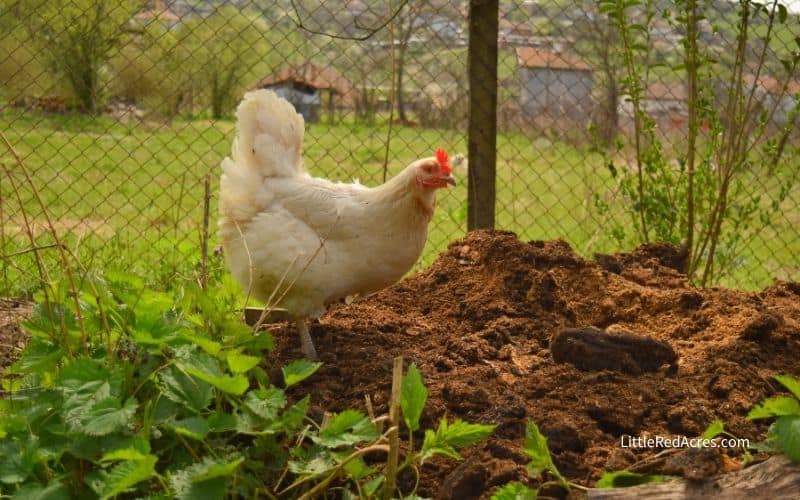
And if you have goats, fence your garden well. If you have chickens, either keep them in a run or, again, fence your garden really well.

Use Your Livestock Strategically
If you keep goats on limited land, intention matters even more.
Whether you raise goats for milk or meat, breeding decisions should always move you forward:
- Rotate milk goats, so you’re never milking more than two at a time
- Aim for one goat in milk and one freshly bred each year
- Breed up using only your best milking or meat bucks
- Use lower-quality animals for meat
Older or less productive animals don’t have to be a loss — they can still contribute to feeding your family.
Use Your Pasture Space Creatively
Fruit trees are a fantastic option for small homesteads.
Plant them in your pasture (not your garden) to:
- Save valuable garden space
- Provide shade for animals
- Offer fallen fruit as supplemental feed
You’ll need to protect young trees from goats until they’re established, but once they are, they become a long-term asset.
Learn, Experiment, and Adjust
Homesteading on less land is a constant learning process.
Watch videos, read, experiment with DIY solutions like small greenhouses, and adjust as you go. What works for one family might not work for another — and that’s okay.
Most importantly: don’t give up. It’s all trial and error until you find what works for your family.
And if your kids can help and learn along the way? That’s just an added bonus.
Frequently Asked Questions about What Can You Do on Less Land?
How to grow more food on less land? Try farming on vertical surfaces rather than traditional, horizontal agriculture. You can produce much more food on the same amount of land (or even less).
What is the minimum land for homesteading? To start a homestead, you typically need at least 2 acres of land, although this varies depending on your goals. (We only have three-quarters of an acre.)
How much land do you need to feed yourself? The general rule of thumb when it comes to growing a garden is to have 100 square feet of gardening space (traditional row gardens) per person for fresh eating only. To preserve food and put it up for the non-growing season, you're looking at 200 square feet of gardening space per person.

Want More?
Homestead Land: How Much Do You Need?
Healthy Edible Landscape Plants
A Guide on How to Grow Your Own Chicken Feed