Best Animals to Raise Together on a Small Homestead
Inside: Discover the best animals to raise together on a small homestead for better space use, productivity, and easier daily care.
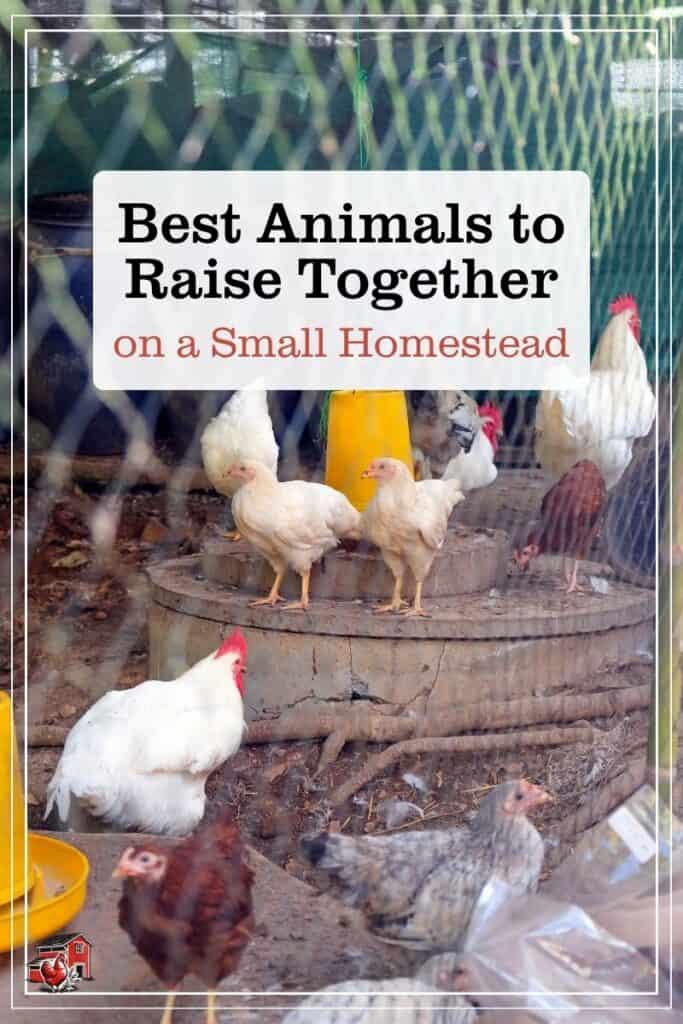
If you’re working with limited space, choosing the best animals to raise together on a small homestead can make a huge difference in how efficient, productive, and manageable your setup becomes. The right combinations of animals can help reduce feed waste, improve soil health, control pests naturally, and maximize your overall food production.
This post may contain affiliate links, see my disclosure policy for more information.
But not all animals are compatible, and pairing the wrong ones can lead to stress, injury, or wasted resources.
Why Raising Multiple Animals Together Works
Raising more than one type of animal isn’t just about variety—it’s about building a system that works together.
Here are a few benefits of mixed-animal homesteading:
- Better use of small spaces
- Natural pest and parasite control
- Improved compost and manure diversity
- Reduced feed waste
- Multiple food sources (eggs, meat, milk)
When done right, your animals support each other instead of competing.
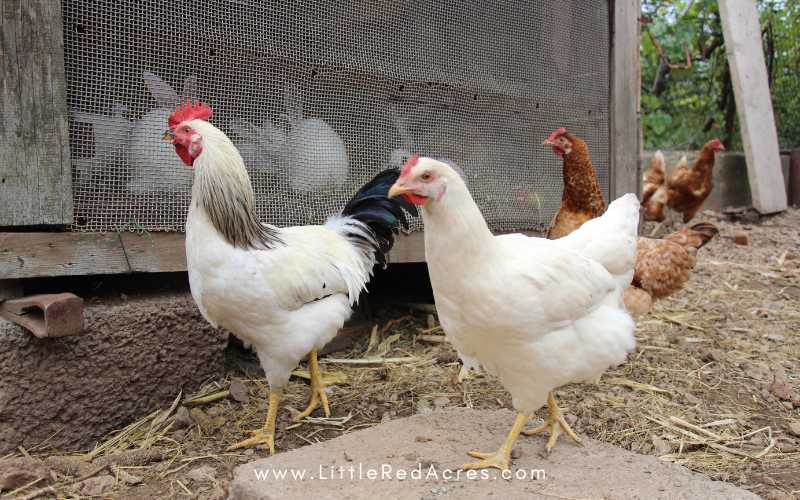
Chickens and Rabbits
One of the best combinations for beginners is chickens and rabbits.
Rabbits produce manure that is considered “cold,” meaning it can go straight into the garden without composting. Chickens, on the other hand, naturally scratch through bedding and manure, helping break it down faster.
Benefits:
- Excellent compost system
- Minimal competition for food
- Ideal for small spaces
Setup Tips:
- Keep rabbits in hutches in or adjacent to chicken areas
- Prevent chickens from accessing rabbit feed
- Maintain good airflow to reduce moisture and odor buildup
This pairing is perfect for homesteaders looking to produce both eggs and meat while improving soil fertility.
Chickens and Ducks
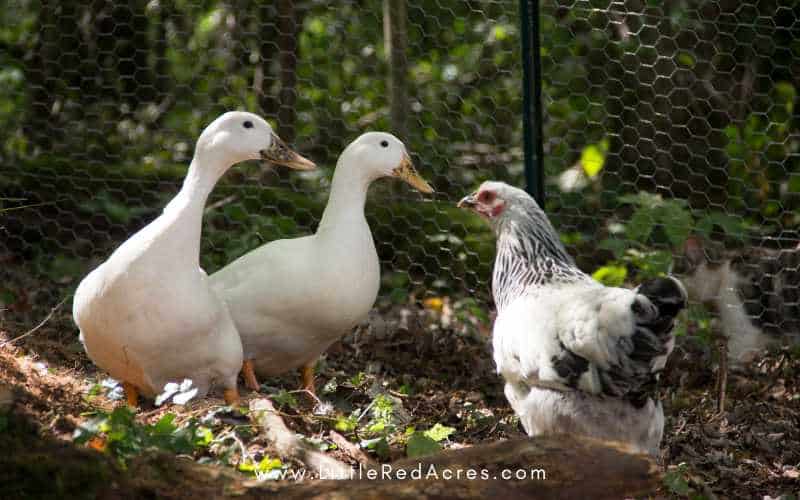
Raising chickens and ducks together can work well, but it requires a bit more management.
Chickens prefer dry conditions, while ducks need constant access to water and tend to make things messy.
Benefits:
- Dual egg production
- Excellent pest control (especially slugs and insects)
- Efficient use of outdoor space
Challenges:
- Ducks create wet, muddy conditions
- Chickens are more susceptible to damp environments
Setup Tips:
- Provide separate water areas for ducks
- Keep chicken bedding dry and elevated
- Choose calm chicken breeds to reduce conflict
With the right setup, this pairing can be very productive for a backyard or small homestead.
Chickens and Goats
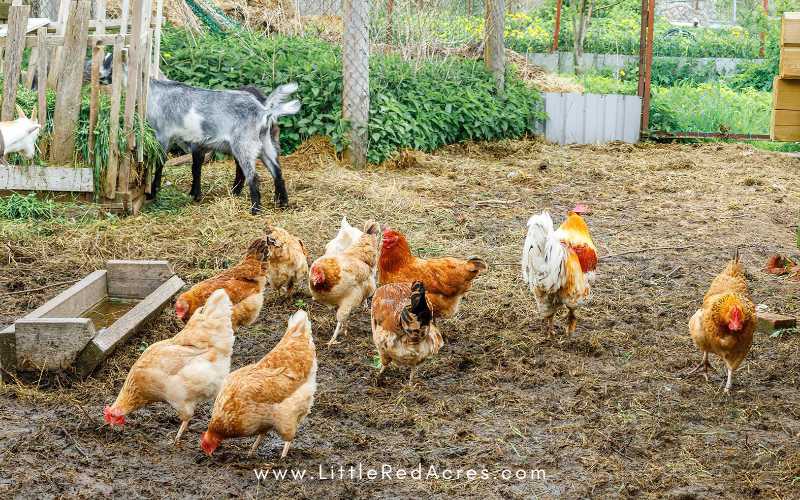
Chickens and goats are a classic small homestead combination.
Goats are browsers, meaning they prefer shrubs and weeds, while chickens forage for seeds and insects. This reduces competition and helps manage land naturally.
Benefits:
- Natural pasture management
- Chickens help break down manure
- Diverse food production (eggs and milk/meat)
Challenges:
- Goats can be rough or curious
- Chickens may eat goat feed
Setup Tips:
- Use separate feeding stations
- Provide safe roosting areas for chickens
- Ensure fencing is secure (goats are notorious escape artists)
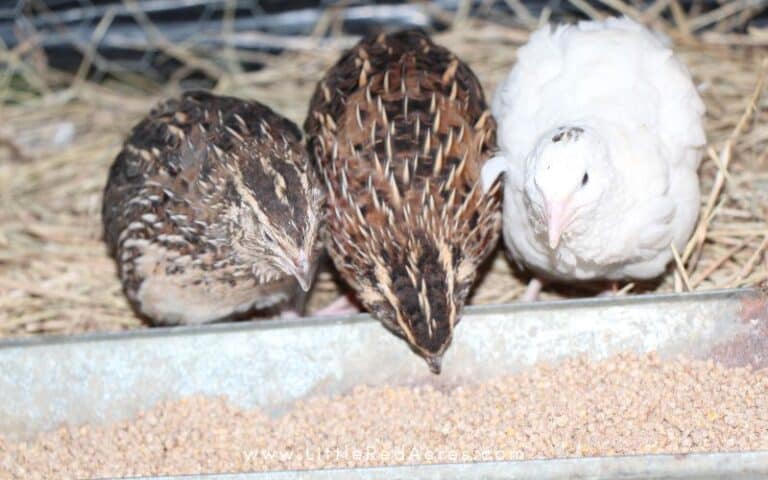
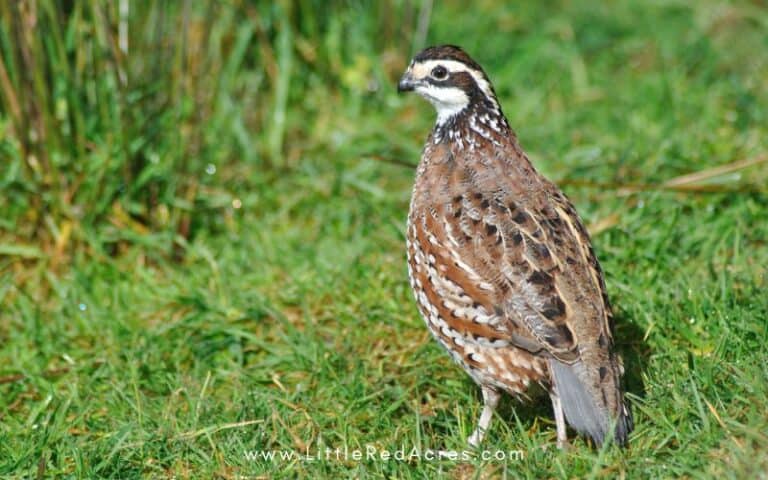
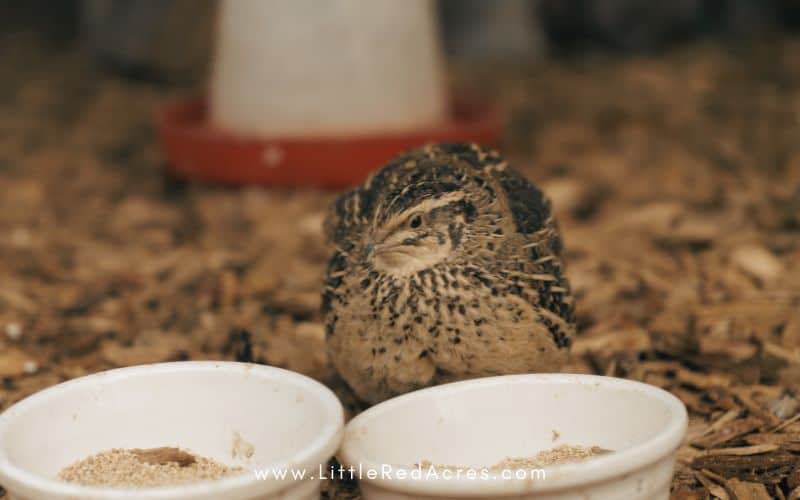
Quail and Chickens (Separate Housing)
If you want to maximize production in a small space, raising quail and chickens is a smart move—but they should never share the same enclosure.
Quail are smaller, more delicate, and can be easily stressed or injured by chickens.
Benefits:
- High egg production in a small footprint
- Fast maturity rate
- Efficient use of space
Important Considerations:
- Always house quail separately
- Maintain controlled conditions for quail (temperature and safety)
This combination works best for homesteaders focused on increasing egg output without expanding space.
Goats and Sheep
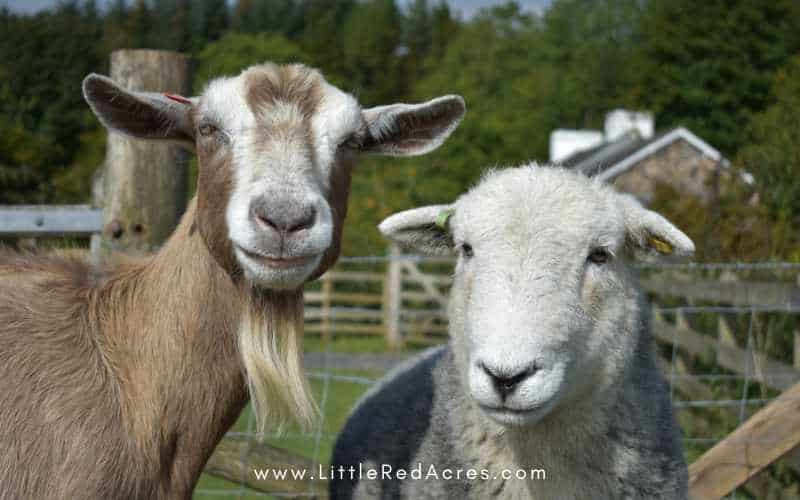
Raising goats and sheep together can be beneficial if managed properly.
These animals have different grazing habits—sheep prefer grass, while goats browse shrubs—making them a good match for pasture use.
Benefits:
- Efficient land use
- Reduced overgrazing
- Multiple product options (milk, meat, fiber)
Challenges:
- Different mineral requirements
- Parasite management must be monitored closely
Setup Tips:
- Provide species-specific minerals
- Rotate pasture regularly
- Keep a close eye on health and condition
Ducks and Pigs
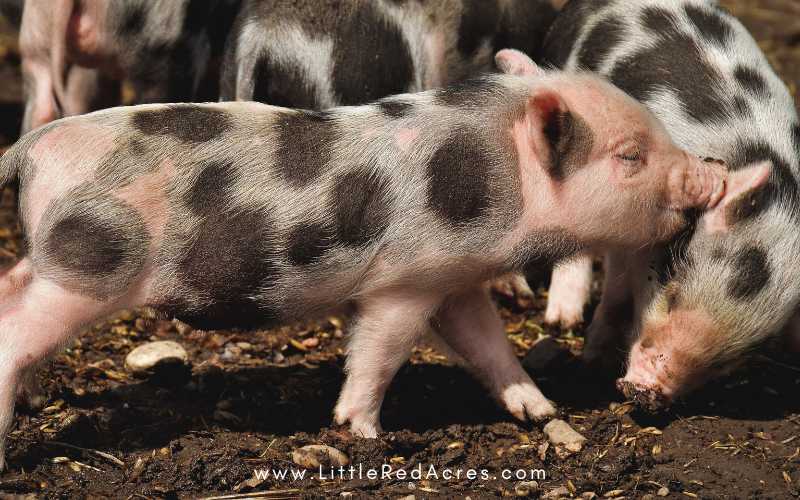
This is a more advanced pairing but can be very effective in the right setup.
Ducks and pigs can work together to manage pests and land.
Benefits:
- Ducks help control flies and insects
- Pigs naturally till and turn soil
- Both animals thrive outdoors
Challenges:
- Pigs can be rough
- Mud management is essential
Setup Tips:
- Ensure ducks have safe areas away from pigs
- Manage water and mud carefully
- Rotate areas to prevent buildup of waste
Best Animal Combinations for Very Small Homesteads
If you’re limited on space, focus on compact and efficient pairings:
- Chickens and rabbits
- Chickens and quail (separate housing)
- Small duck flock with garden integration
- Dwarf goats with poultry (if space allows)
These setups provide a good balance of productivity without overwhelming your space.
Animals You Should Not Raise Together
Some animals simply don’t mix well, especially in small spaces.
Avoid these combinations:
- Chickens and quail in the same enclosure
- Rabbits and goats
- Pigs and small poultry
- Aggressive roosters with smaller or timid animals
Keeping incompatible animals together can lead to stress, injury, and even loss.
Tips for Successfully Raising Animals Together
To make a mixed-animal homestead work smoothly, keep these tips in mind:
- Always provide separate feeding areas
- Monitor behavior closely when introducing new animals
- Ensure adequate space for each species
- Keep housing clean and well-ventilated
- Rotate pasture or outdoor areas when possible
Starting small and expanding gradually is the best way to avoid overwhelm, even when you think you know best about how much you can take on at a time. There is nothing worse than biting off more than you can chew and having to rehome animals.
Choosing the best animals to raise together on a small homestead isn’t about adding more—it’s about creating a system that works efficiently.
Start with simple, proven combinations like chickens and rabbits or chickens and ducks. As you gain experience, you can expand into more advanced pairings like goats, sheep, or pigs.
With the right setup, your animals won’t just coexist—they’ll help create a more productive, sustainable homestead.
Frequently Asked Questions About the Best Animals to Raise Together on a Small Homestead
What animals can live together on a small homestead? Chickens, rabbits, ducks, goats, and sheep are some of the best animals to raise together, depending on your space and setup.
Can chickens and ducks live together? Yes, chickens and ducks can live together if you manage water and keep chicken areas dry to prevent health issues.
What animals should not be raised together? Avoid housing chickens with quail, rabbits with goats, or pigs with small poultry due to safety and stress concerns.