Dehydrating Peppers: How to Dehydrate Bell and Hot Peppers
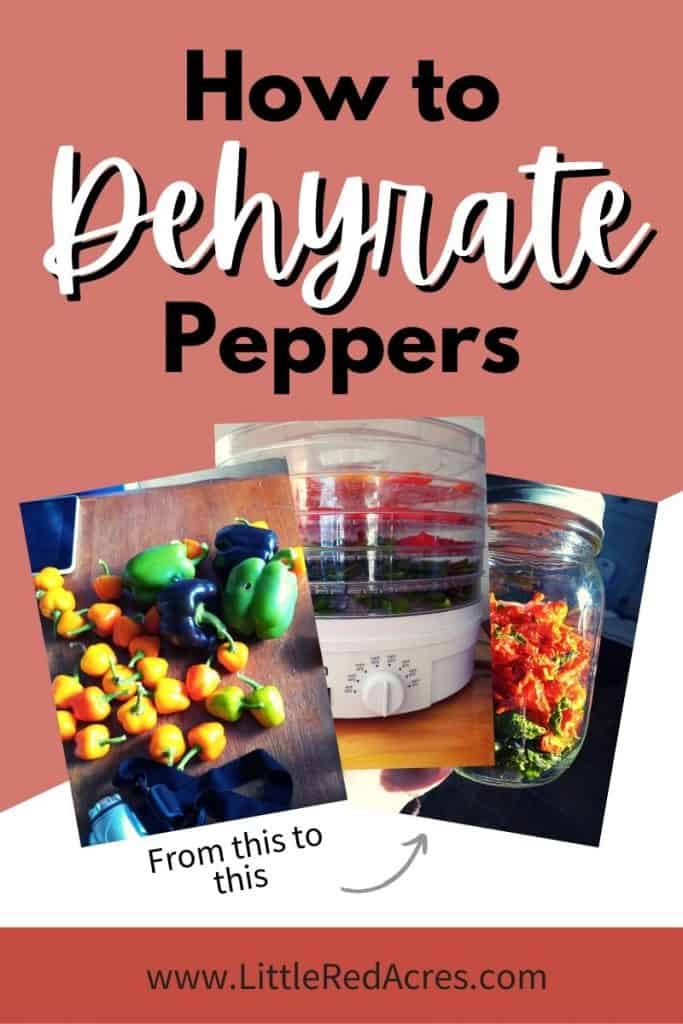
Inside: This year, try dehydrating peppers instead of freezing them; they'll last longer. They retain their flavor when rehydrated.
My go-to has always been to freeze them, until now. I don't know what clicked in my brain but this year I tried dehydrating peppers instead. This has now become my favorite way to store them and it's no more work for me, and they retain their flavor! It’s just as easy as freezing, they last a long time, and best of all—they retain their flavor beautifully.
This post may contain affiliate links, see my disclosure policy for more information.
Dehydrating Peppers: How to Dehydrate Bell and Hot Peppers
If your garden gave you a bumper crop of fresh peppers, consider yourself lucky! That abundance is a fantastic bonus—until you’re scrambling to figure out what to do with them all. Dehydrating is a great way to preserve them for later use without sacrificing flavor or space in the freezer.
We’ve had a food dehydrator for years (mainly used for jerky in the past), but it recently earned a permanent spot on our counter thanks to our pepper harvest. Our sweet bell peppers, hotter peppers, and even a few jalapeño peppers dried beautifully on the trays.
Whether you're working with thicker peppers or thinner peppers, dehydrating is one of the easiest ways to store them long-term with minimal effort.
Step-by-Step: How to Dehydrate Peppers
1. Wash and Prep the Peppers
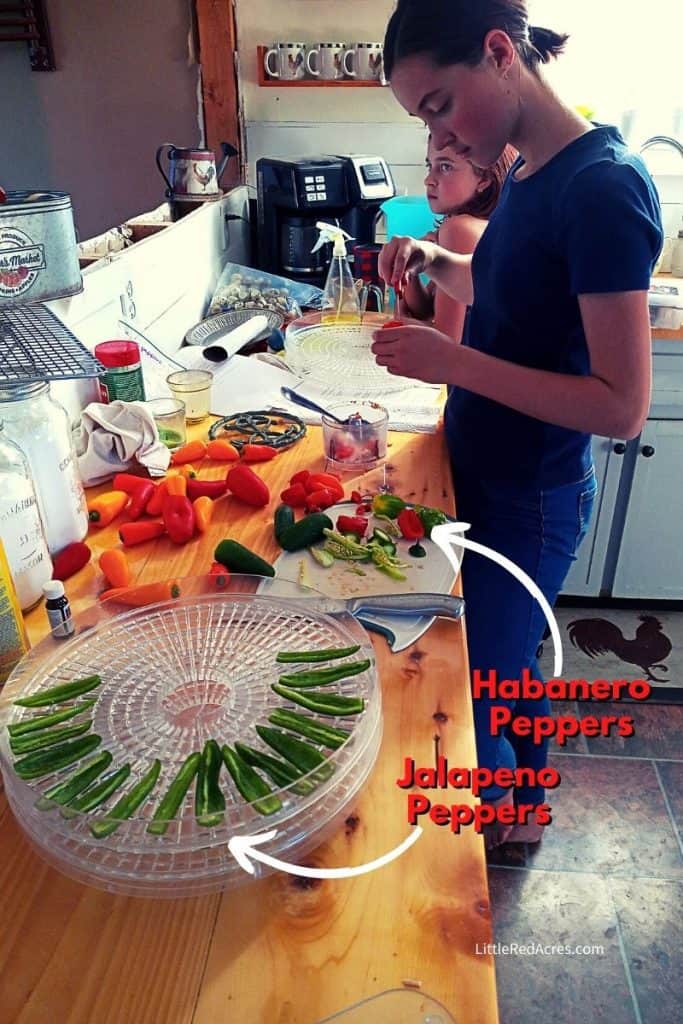
Start by washing your peppers. If you grew them in your organic vegi garden like we did, a quick rinse is usually enough. You want to remove any dirt but keep things simple.
Next, remove the stems and seeds, and slice them into uniform pieces. The size of your pepper slices will affect the drying time—smaller pieces will dry faster than larger peppers or whole slices. For best results, cut them how you plan to use them (e.g., diced for stir fries or long slices for snacking).
2. Arrange on Dehydrator Trays
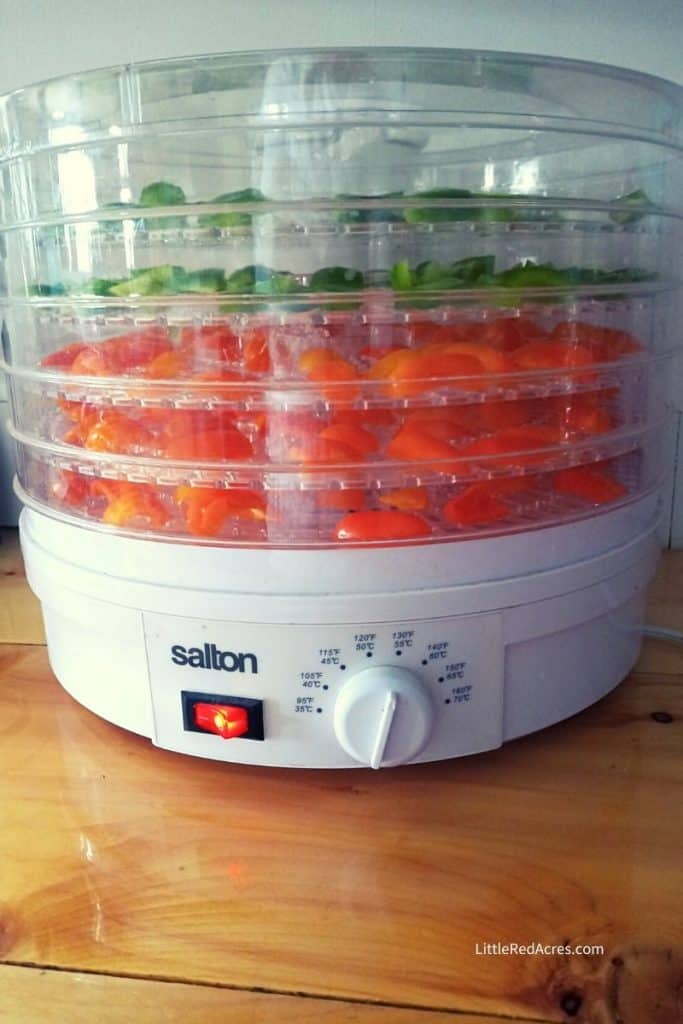
Place the pepper pieces in a single layer on your dehydrator trays. Give them plenty of room and ensure good air circulation. Avoid overlapping pieces—this slows the drying process.
If you're using a cookie sheet or dehydrating in an oven, line it with parchment paper and leave the oven door slightly open to allow air flow.
3. Set the Temperature
Dry your peppers at 135–140°F. If your machine has a lowest setting, that’s usually ideal for delicate vegetables. Drying may take 6–10 hours depending on the thickness of the pepper walls, the humidity levels in your space, and your dehydrator model.
We use a basic dehydrator, but if you’re serious about dehydrating, investing in something like an Excalibur dehydrator with multiple trays can make it easier to do larger batches.
4. Check for Doneness
You’ll know the peppers are fully dehydrated when they’re completely dry and brittle. There should be no signs of moisture. If you're unsure, err on the side of drying them a bit longer to prevent mold during storage.
How to Store Dehydrated Peppers
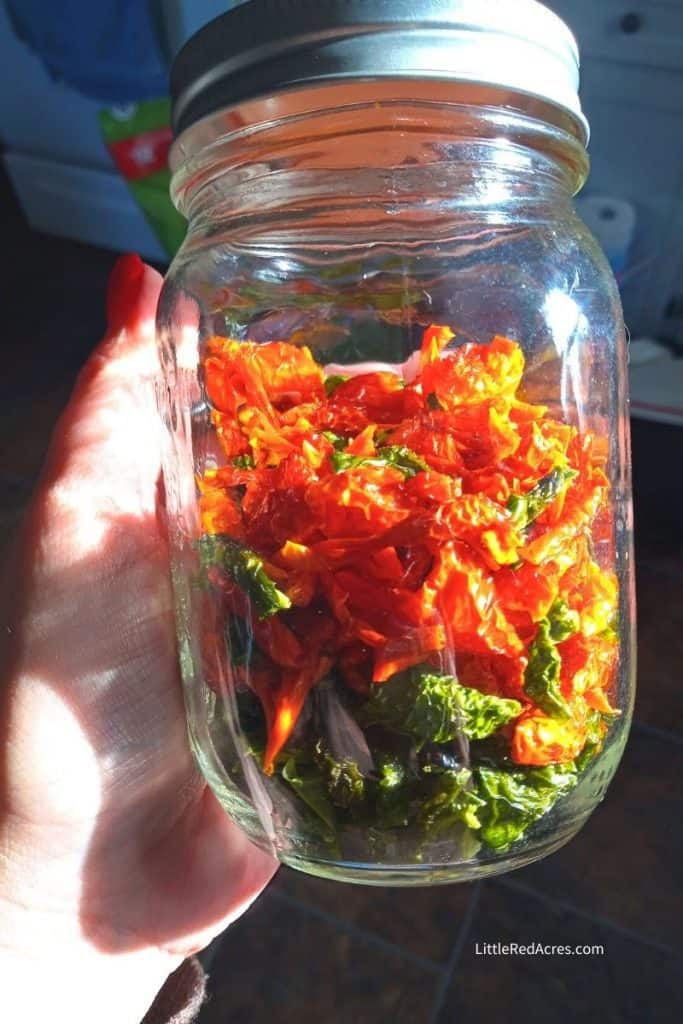
Once cool, transfer the dried peppers into an airtight container like glass jars, mason jars, or airtight jars. Store in a cool, dry place or a cool dark place like a pantry or cabinet away from direct sunlight.
Avoid plastic bags if you want long-term storage—airtight containers keep out moisture and pests and help maintain quality over a long time.
What to Do With Dehydrated Peppers
Dehydrated peppers are incredibly versatile. Here are some of our favorite ways to use them:
- Rehydrate with hot water and add to soups, stews, casseroles, or chili.
- Crush into flakes using a spice grinder or coffee grinder for homemade pepper flakes.
- Blend into powder for your own chili powder or dry rub.
- Mix with other dehydrated foods to make DIY meal kits or camping meals.
- Use in your hot sauce recipe for added kick!
You can also toss dehydrated bell peppers and hot peppers into a food processor for a coarse texture or grind them into a fine powder for seasoning blends.
Hot Pepper Tip: Protect Your Hands
When dehydrating hot peppers or dehydrated chili peppers, take precautions! My daughter wanted to try drying her own spicy peppers, and we learned the hard way—those oils linger.
Wear gloves when handling superhot chili peppers, and avoid touching your eyes, nose, or face.
If you forget (like we did), here are a few things that help remove pepper oils:
- Oil (like olive or coconut) – helps dissolve the chili oils.
- Dish soap – better at cutting oils than regular hand soap.
- Rubbing alcohol – breaks down the oil fast.
- Whole milk or yogurt – provides a soothing, cooling effect.
- Baking soda paste – mild and effective exfoliant.
Dehydrating peppers is a fantastic way to preserve your harvest and add some zing to your cooking all year long. Whether you're working with mild peppers, red peppers, or a pound of fresh chili peppers, drying them at home gives you control every step of the way.
I know I’ll be doing this again next year—and maybe even trying out a few zucchini chips while I’m at it.
Got questions about dehydrating or storing your favorite recipes? Let me know in the comments—I’m happy to help!
Frequently Asked Questions About Dehydrating Peppers
Do I leave the seeds in my peppers? The choice is purely yours. If you want them hotter, leave the seeds and membrane. If you do not, omit it.
How long are dehydrated peppers good for? With proper storage, they can remain viable to use for 1-2 years.
How to tell if dried peppers are bad? To keep your dried chili peppers fresh and flavorful, store them in an airtight container in a cool, dark, and dry place. Use them within a year for the best results, and look for signs of mold, discoloration, rancidity, and loss of heat to tell if they have gone bad.

Want More?
Are Pepper Plants Perennial? How to Overwinter Peppers
The Best Pepper Plants to Grow In Your Vegetable Garden
15 Tips to Help Stunted Pepper Plants Recover