Mistakes Raising Quail That Are Common with Beginners
Inside: Avoid these common mistakes when raising quail! Important tips for beginners, from housing and feeding to health and breeding.
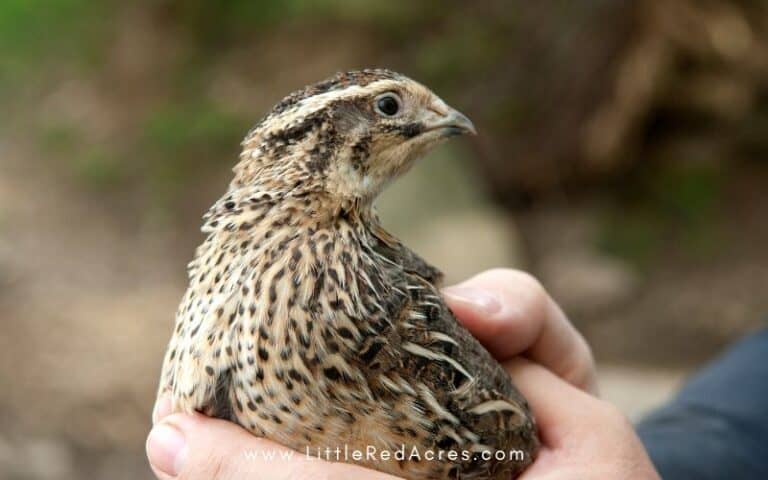
Raising Coturnix quail can be a fun and rewarding experience, especially for first-time poultry keepers or small-scale farmers. These little birds are quiet, take up very little space, and offer excellent egg production. But as simple as quail farming might seem, there are some common mistakes that new quail owners make—mistakes raising quail, that can lead to health problems, poor hatch rates, or even loss of birds.
This post may contain affiliate links, see my disclosure policy for more information.
Mistakes Raising Quail That Are Common with Beginners
Whether you're starting with a small flock in your backyard or diving into quail farming more seriously, here are the most important tips for avoiding beginner mistakes and raising healthy quail.
Get updates & freebies delivered to your inbox!
Overcrowding Your Quail Coop
Coturnix quail are often described as “old world quail” known for their calm, quiet nature—but overcrowding is one of the most common problems new quail owners face.
Recommended Space: Allow at least 0.5 to 1 square foot of space per bird. If you're using cages or a flight pen, make sure there’s enough room for the birds to move freely without constant contact. Overcrowding increases stress, which can lead to feather picking, aggressive behavior, and even death.
A cramped environment also makes it easier for disease to spread among your small flock.
Feeding the Wrong Diet
Unlike chickens, Coturnix quail have different dietary needs. Many beginners make the mistake of feeding them standard chicken feed, which doesn’t provide enough protein or essential nutrients for these small birds.
Important Tip: Choose a high-protein game bird starter for young quail (usually 24-28% protein). For adult quail, switch to a maintenance or layer feed with around 18-20% protein. Don’t forget to offer free choice oyster shells to laying hens for strong eggshells.
A poor diet will affect egg production, growth rate, and overall health. You may also see issues like feather loss or sluggishness in your birds.

Quail on the Homestead: A No-Fluff Guide for Real-Life Homesteaders
Whether you’re looking to add a reliable egg layer to your homestead or raise a tasty meat bird in a small space, Coturnix quail are the perfect fit—and this ebook will show you how to get started and thrive. Packed with practical tips and firsthand insights, this guide walks you through every stage of raising Coturnix quail with confidence.
Poor Ventilation and Air Quality
Quail waste builds up ammonia quickly—so much so that we often call them “stink birds.” Without proper ventilation, harmful gases and moisture can accumulate in the coop or brooder box.
What to Do: Ensure good airflow without creating cold drafts, especially for young birds in their first week. A well-ventilated, dry environment will reduce respiratory issues and discourage mold and bacteria.
Neglecting Cleanliness and Hygiene
Maintaining a clean environment is a must when raising quail. Dirty cages, feeders, or waterers can lead to serious health issues and attract pests like flies and mites.
Common Mistake: Not cleaning often enough. Quail need fresh water daily and clean bedding such as wood shavings. Deep clean the coop regularly and keep an eye on any buildup under cages or in corners. Practicing good biosecurity measures helps prevent disease outbreaks.
Not Using a Proper Heat Source for Chicks
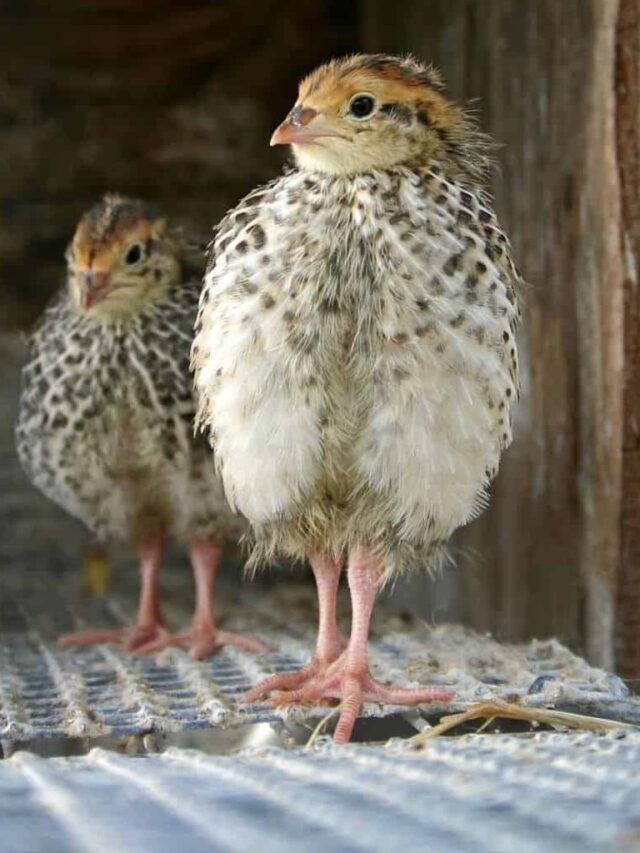
Day-old quail chicks are extremely sensitive and need consistent warmth in their brooder box. One of the first things new quail keepers get wrong is failing to provide an appropriate heat source.
Best Practice: Use a heat lamp or brooder heater to keep temperatures around 95°F for the first week, then reduce it by 5°F each week until fully feathered. A cold chick won’t thrive—and may not survive.
Watch their behavior: If chicks huddle together under the heat, they’re too cold. If they scatter to the corners, it’s too hot.
Leaving Eggs Too Long Before Collection
Coturnix quail hens are prolific egg layers, often laying an egg a day. But if you don’t collect them regularly, you risk spoilage, cracked eggs, and even loss due to rodents or weather.
Tip: Collect quail eggs at least once daily. If you're breeding for hatching eggs, collect them even more frequently and store them properly to preserve fertility.
Improper Incubation Practices
Incubating hatching eggs can be exciting, but beginners often struggle with humidity, turning, and temperature control.
Key Points for Success:
- Use an automatic egg turner or turn the eggs manually 3+ times a day.
- Maintain a constant temperature of 99.5°F and 45–55% humidity.
- Stop turning on day 15, and raise the humidity slightly for hatch day on day 18.
Small mistakes during incubation can drastically reduce your hatch rate, leading to frustration and wasted fertile eggs.
Mixing Breeds or Ages Without a Plan
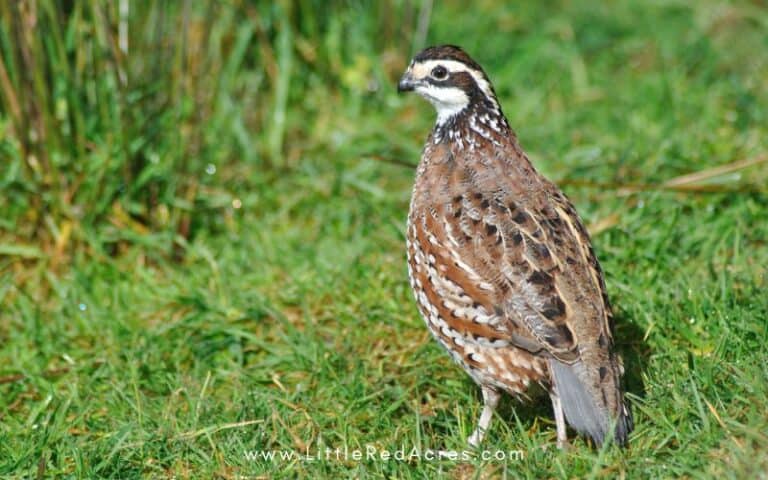
Not all quail breeds can be housed together safely. While Coturnix quail are fairly docile, mixing them with Bobwhite quail or button quail may lead to aggressive behavior or stress. Even among Coturnix, mixing young quail with older birds can cause injury or death.
Solution: Always introduce new birds carefully and separate different weeks of age in your setup. If you plan to keep breeding pairs, maintain the right female ratio—about 3 to 4 hens per male quail.
Not Planning for Adult Space or Meat Harvest
Quail mature quickly—some reaching adult size in just 6 to 8 weeks. First-time quail keepers are often surprised at how fast they go from day-old chicks to full-grown birds needing more space or a plan for harvest.
Tip: Be ready! Whether you're raising for quail meat or just eggs, it’s important to have a plan for your first batch of adult quail and any overflow.
Underestimating Their Flight and Escapes
While Coturnix quail are not strong flyers, they can still launch themselves quickly and escape if startled. Beginners often don’t secure the top of their flight pen or cage well enough.
Prevent Escapes: Use soft netting or a padded ceiling to avoid injury and secure all openings. Never open your quail cage without a plan to block sudden fliers—especially with young quail.
Raising your own quail can be a great addition to any small farm or homestead. These small birds are hardy, quiet, and efficient—producing quail eggs and meat with less time, less space, and lower startup costs than chickens. But like all poultry, they require proper care.
By avoiding these common mistakes and focusing on the important things like space, diet, and hygiene, you’ll be well on your way to keeping healthy quail and enjoying the benefits of quail farming for years to come.
Frequently Asked Questions
What are the disadvantages of quail? They Poop a LOT! Because quail grow so fast, they eat and poop a lot. You'll notice it because they stay in a cage and don't roam.
Are quails hard to care for? Quails make great pets and are quite easy to care for.
How many quail should I start with? 5 is a perfect number for a beginner quail-keeper to start with.

Want More?
10 Herbs Quail Can Safety Eat and Are Good for Them
How to Take Care of a Baby Quail
Key to Strong and Healthy Quails: When Quail Need More Calcium