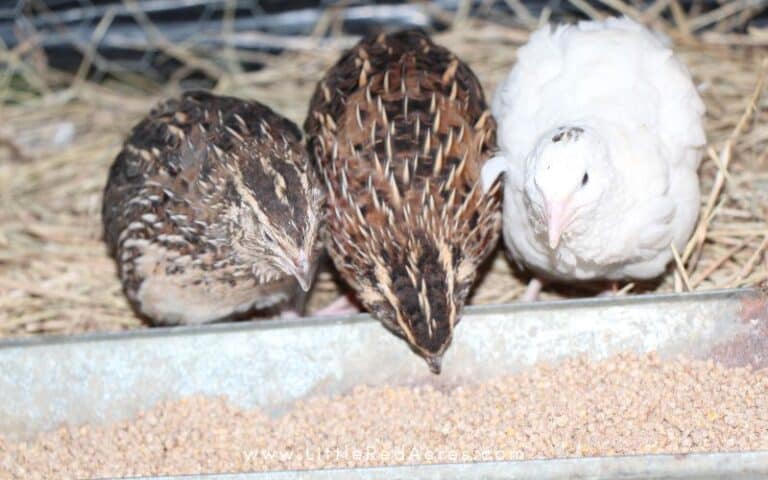
Muddy Chicken Run? How to Keep Your Chicken Run From Getting Muddy
Inside: A muddy chicken run can quickly become smelly and difficult to manage. Here are simple ways to improve drainage, add the right flooring, and keep your chicken run drier.
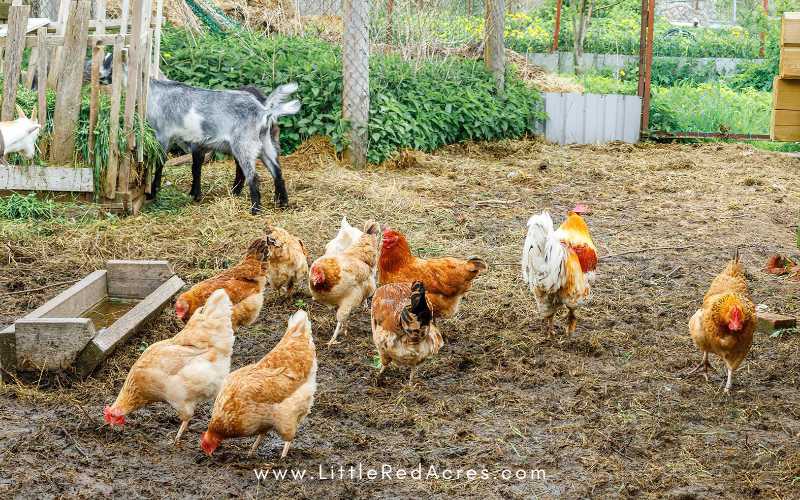
Mud in your chicken run isn’t just messy—it can quickly turn into a smelly, unhealthy environment for your flock. If you’re dealing with a chicken run that’s muddy, smelly, and hard to manage, you’re definitely not alone. Both Spring and autumn are muddy messes.

This post may contain affiliate links, see my disclosure policy for more information.
How to Keep Your Chicken Run From Getting Muddy
The good news? There are simple, effective ways to fix a muddy chicken run and prevent it from happening again—no matter the season.
In this guide, we’ll cover exactly how to keep your chicken run from getting muddy, the best materials to use, and practical solutions that work for both small backyard flocks and larger homesteads.
Why Your Chicken Run Gets Muddy
Before fixing the problem, it helps to understand what’s causing it.
Chicken runs turn muddy when:
- Rainwater collects and has nowhere to drain
- Chickens scratch away grass and vegetation
- Soil becomes compacted over time
- There’s heavy foot traffic in a small space
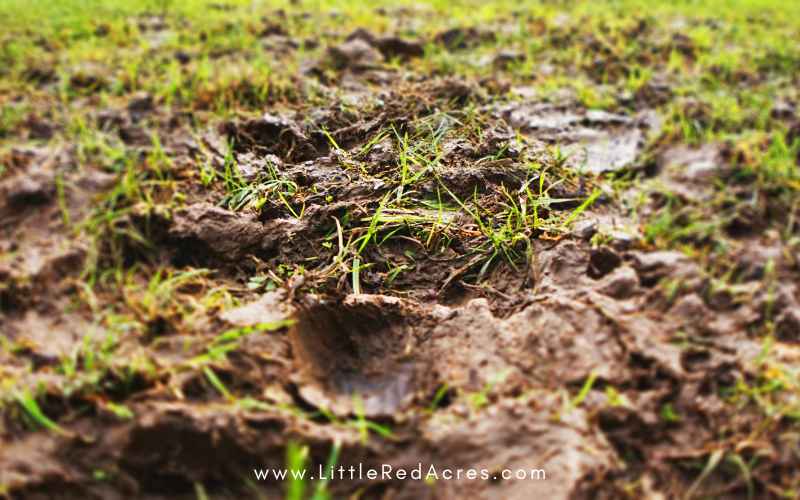
Once the ground is bare, even a little rain can turn your run into a muddy mess.
What to Do About a Muddy Chicken Run
If your chicken run is already muddy, don’t worry—you can fix it fairly quickly with the right approach.
Add Absorbent Bedding
One of the fastest ways to deal with mud is by adding a thick layer of bedding.
The best bedding for a muddy chicken run includes:
- Wood chips (one of the best long-term solutions)
- Straw or hay (great short-term fix)
- Pine shavings (good for smaller runs)
Wood chips are especially effective because they improve drainage and break down slowly over time.
Best Material for Chicken Run Floor
Choosing the right flooring makes a huge difference in keeping your chicken run dry.
Wood Chips (Top Recommendation)
- Excellent drainage
- Reduces odor
- Long-lasting and low maintenance
Gravel (Base Layer Option)
- Helps with drainage underneath bedding
- Prevents standing water
Sand
- Drains well
- Easy to clean
- Can get compacted over time
For best results, many chicken keepers use a combination—gravel as a base layer with wood chips on top.
How to Keep Your Chicken Run Dry From Rain
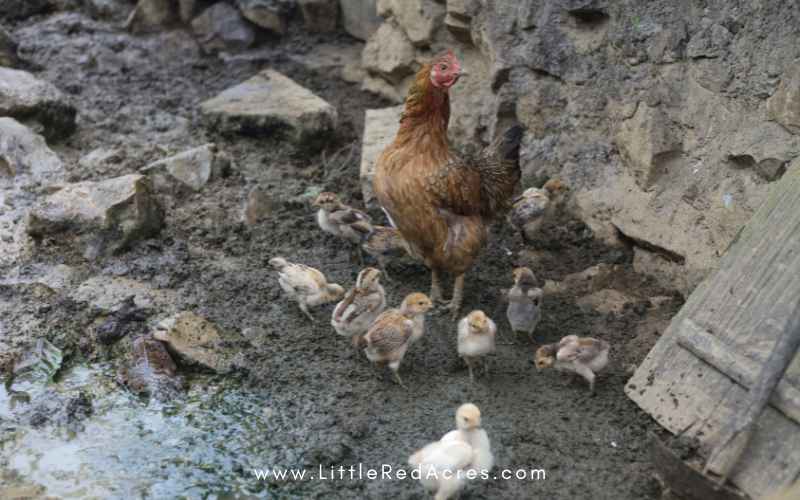
Rain is the biggest cause of muddy runs, so controlling water is key.
Install a Roof or Cover
Adding a roof over your chicken run is one of the most effective solutions.
Options include:
- Metal roofing panels
- Clear plastic panels
- Heavy-duty tarps
Even covering part of the run can significantly reduce mud.
Improve Drainage
If water is pooling in your run, drainage needs to be addressed.
Try:
- Slightly sloping the ground away from the coop
- Digging shallow trenches to redirect water
- Adding gravel in problem areas
Good drainage prevents mud before it even starts.
How to Keep A Chicken Run Dry in Winter
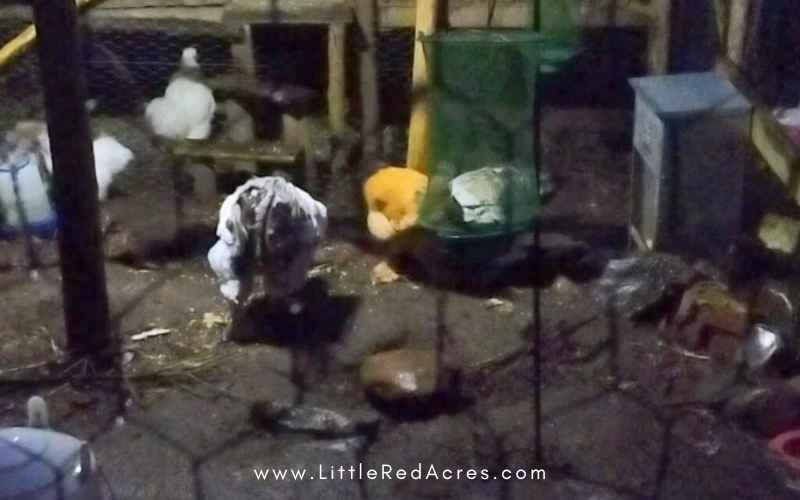
Winter brings a whole new challenge with snow, ice, and thaw cycles.
To keep your chicken run from getting muddy in winter:
- Add a thick layer of wood chips before the ground freezes
- Keep snow cleared from high-traffic areas
- Use straw for extra insulation
- Cover the run to prevent snow buildup
Deep bedding works especially well in colder months and helps manage moisture.
Muddy Chicken Run Flooring Upgrades
If mud is a constant issue, it might be time for a more permanent solution.
Consider:
- Installing a raised chicken run
- Using pallets or platforms in high-traffic areas
- Creating designated “dry zones” with heavy bedding
These upgrades reduce wear and tear on the ground.
How to Keep Your Chicken Coop From Getting Muddy
It’s not just the run—the coop entrance is often the muddiest spot.
To fix this:
- Add a thick layer of wood chips near the coop door
- Install a small covered area or awning
- Use stepping stones or pavers
This helps prevent mud from being tracked inside.
Focus on:
- Improving drainage
- Adding the right bedding (wood chips are your best friend)
- Protecting the run from rain and snow
With a few simple changes, you can turn a muddy, smelly run into a clean, dry, and healthy space your chickens will thrive in.
And honestly? Once you get it under control, maintenance becomes so much easier.
FAQs
What is the best bedding for a muddy chicken run?
Wood chips are the best option because they absorb moisture, improve drainage, and last a long time.
How do I keep my chicken run dry after heavy rain?
Add fresh bedding, improve drainage, and consider adding a roof or tarp to keep water out.
Can I use sand in my chicken run?
Yes, sand drains well and is easy to clean, but it may need occasional refreshing as it compacts.
Why is my chicken run smelly?
A muddy chicken run often traps moisture and manure, leading to strong odors. Adding dry bedding and improving airflow helps fix this.
How often should I add bedding to my chicken run?
It depends on weather and usage, but adding fresh material every few weeks—or as needed—is a good rule of thumb.

Want More?
Best Way to Clean Fresh Chicken Eggs
Pros and Cons of Raising Chickens: Is Keeping Backyard Chickens Worth It?
5 Reasons Why You Don’t Want a Rooster