Common Feeding Mistakes to Avoid with Quail
Inside: Avoid common quail feeding mistakes like wrong feed, overfeeding treats, missing grit, and poor water hygiene to keep quail healthy.
Feeding quail may seem straightforward, but small mistakes can quickly lead to health issues, poor egg production, or even loss of birds. Because quail are small, fast-growing birds with high nutritional needs, their diet and feeding setup matter more than many new keepers realize.

This post may contain affiliate links, see my disclosure policy for more information.
Common Feeding Mistakes to Avoid with Quail
If you already know what foods quail cannot eat, that’s a great start. But beyond unsafe foods, there are several common feeding mistakes that can cause problems even when you’re offering “good” food. Let’s walk through the most common mistakes to avoid—and how to fix them.
Using Improper Feed
One of the biggest mistakes new quail keepers make is feeding the wrong type of feed.
Quail require much higher protein levels than chickens, especially during growth and egg production. Many people assume chicken feed is “close enough,” but in most cases, it simply isn’t.
Why this is a problem:
- Low protein can lead to poor growth, weak birds, and reduced egg production
- Laying quail may produce fewer eggs or eggs with weak shells
- Young quail may fail to thrive or grow slowly
What to do instead:
- Feed game bird or quail-specific feed, also sometimes labeled as turkey starter
- Chicks typically need 24–30% protein
- Adult laying quail do best on 20–24% protein
- Avoid layer chicken feed unless it’s being properly supplemented
Using the correct feed from the start sets the foundation for healthy birds and consistent egg production.
Neglecting Grit
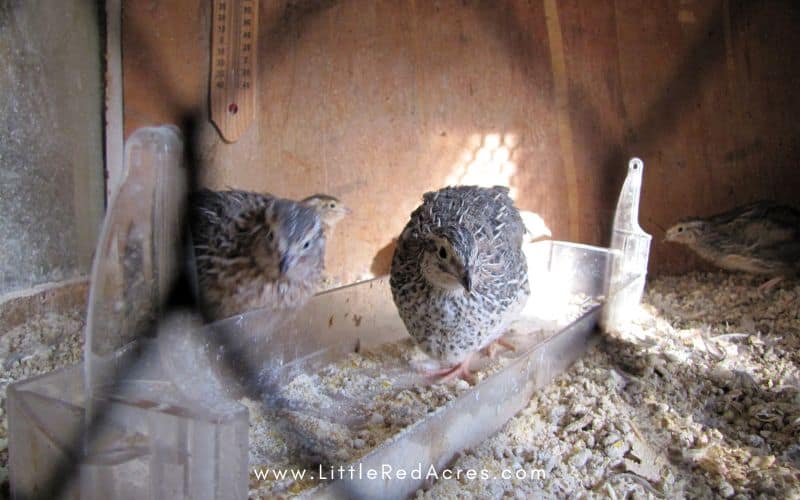
Another common feeding mistake is skipping grit—especially for quail that receive anything beyond commercial feed.
If quail eat treats, seeds, greens, or whole grains, they need grit to properly digest those foods.
Why grit matters:
- Quail do not have teeth
- Grit helps grind food in the gizzard
- Without grit, birds can suffer from digestive blockages or poor nutrient absorption
Important note:
- Grit is not the same as calcium
- Crushed oyster shell is for eggshell strength
- Insoluble grit (like granite grit) is for digestion
Best practice:
- Offer grit in a small, separate dish
- Free-choice access works best
- Even indoor or caged quail benefit from having grit available
Overfeeding Treats
Treats are fun—and quail absolutely love them—but too many treats can quickly throw their diet out of balance.
This is especially important if you already share scraps, seeds, or garden extras.
Common problems with too many treats:
- Reduced intake of balanced feed
- Nutritional deficiencies
- Obesity in breeding birds
- Lower egg production
Even foods that are technically “safe” can cause issues if they replace too much of the main feed.
A good rule of thumb:
- Treats should make up no more than 10% of their overall diet
- Feed treats sparingly, not daily
- Remove leftovers so they don’t spoil or attract pests
You can still offer variety—just keep nutritionally complete feed as the main focus.

Ignoring Water Hygiene
Clean water is just as important as proper feed, yet it’s one of the most overlooked parts of quail care.
Quail are messy birds. They scratch, kick bedding, and fling feed everywhere—including into their water.
Why dirty water is dangerous:
- Bacteria grows quickly in warm or dirty water
- Can lead to digestive issues and illness
- Dirty water discourages birds from drinking enough
Best practices for water hygiene:
- Change water daily, more often in hot weather
- Scrub waterers regularly to remove slime buildup
- Elevate water containers to reduce bedding contamination
- Avoid shallow open dishes that get fouled quickly
If water looks dirty to you, it’s already too dirty for your birds.
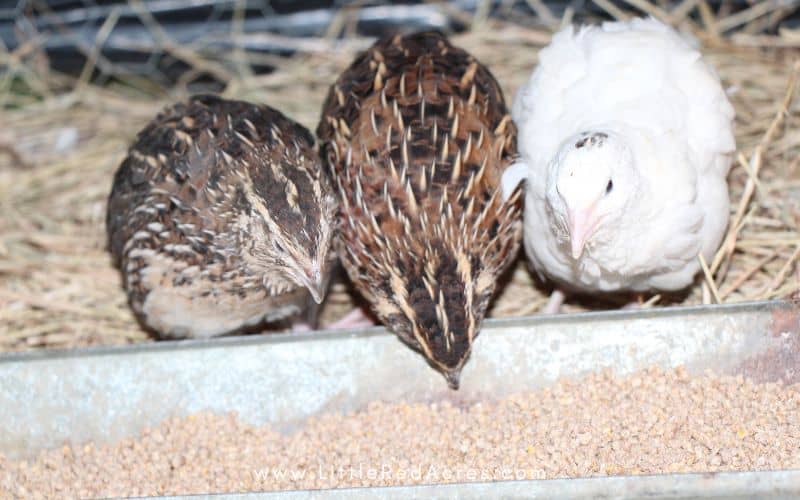
Poor Feeder Hygiene
Feeder cleanliness often gets overlooked, but dirty feeders can undo all your good feeding choices.
Spilled feed, moisture, and droppings can quickly turn a feeder into a breeding ground for mold and bacteria.
Problems caused by dirty feeders:
- Moldy feed, which can be toxic
- Feed waste and spoilage
- Increased risk of disease spreading through the flock
How to improve feeder hygiene:
- Clean feeders regularly, not just when refilling
- Keep feeders dry and protected from moisture
- Raise feeders slightly to prevent birds from standing in them
- Discard any feed that smells musty or looks clumpy
A clean feeder helps ensure your quail are actually getting the nutrition you intend them to have.
Feeding quail isn’t complicated—but it is precise. Small birds have small margins for error, and consistent mistakes can show up quickly in their health, behavior, and egg production.
By:
- Choosing the right feed
- Providing grit when needed
- Limiting treats
- Keeping water clean
- Maintaining feeder hygiene
you’ll avoid many of the most common problems quail keepers face.
If you already know what foods quail should avoid, combining that knowledge with proper feeding habits will help you raise stronger, healthier, and more productive birds.
Frequently Asked Questions About Feeding Quail
Can quail eat chicken feed? Quail should not rely on chicken feed as their main diet. Chicken feed is usually too low in protein to meet a quail’s nutritional needs.
Do quail really need grit if they eat commercial feed? If quail eat only finely ground commercial feed, grit may not be strictly necessary. However, once you offer treats, seeds, greens, or whole grains, grit becomes essential for proper digestion.
How often should quail be given treats? Treats should be given sparingly—no more than 1–2 times per week. Quail should always fill up on balanced feed first.

Wait More?
Predator‑Proof Your Quail Enclosure For Safer Birds
Guide to Raising Quail: Tips for Beginners Raising Quail for Eggs, Meat, or Profit
Raising Quail vs Chicken On Your Homestead